Department of Bioorganic Chemistry, Institute of Organic Chemistry, Academy of Sciences of the Ukrainian SSR
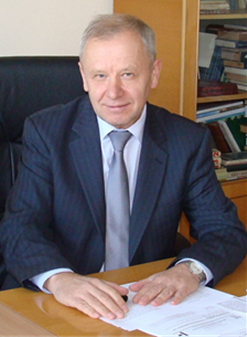
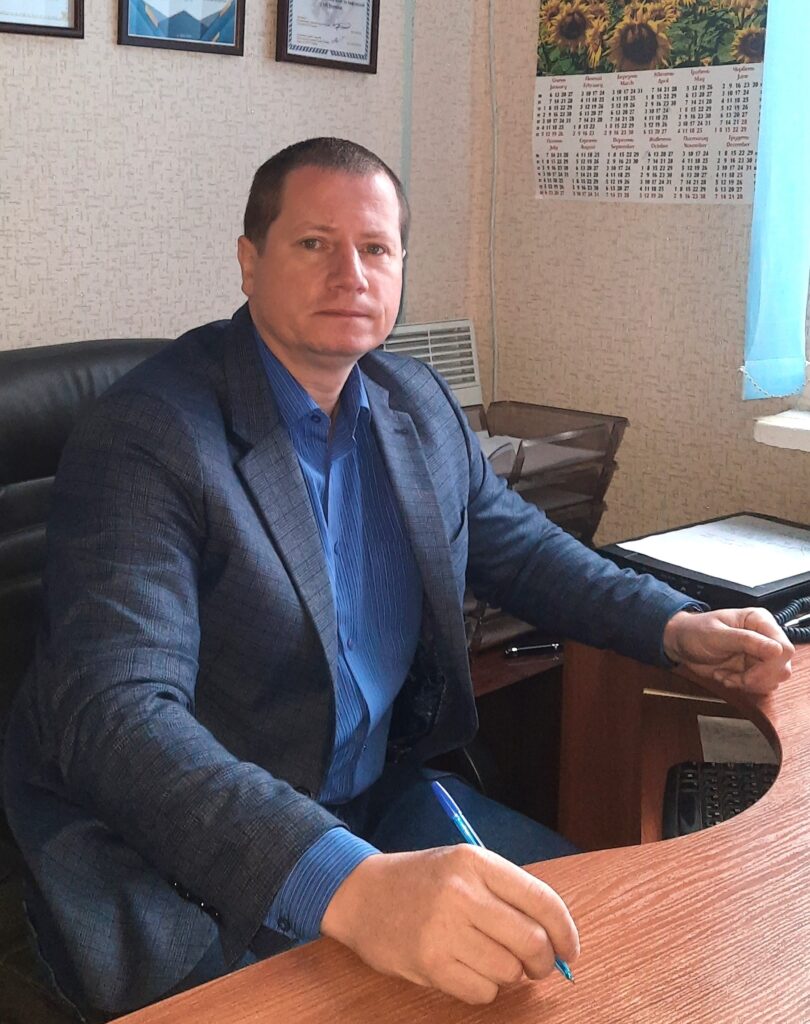
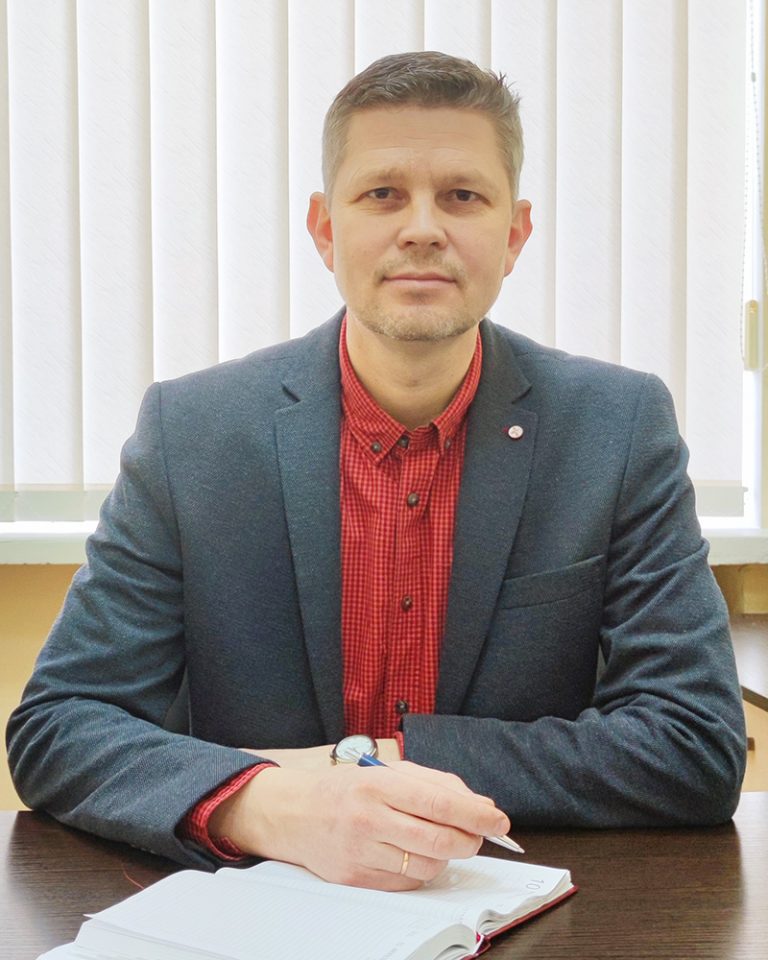
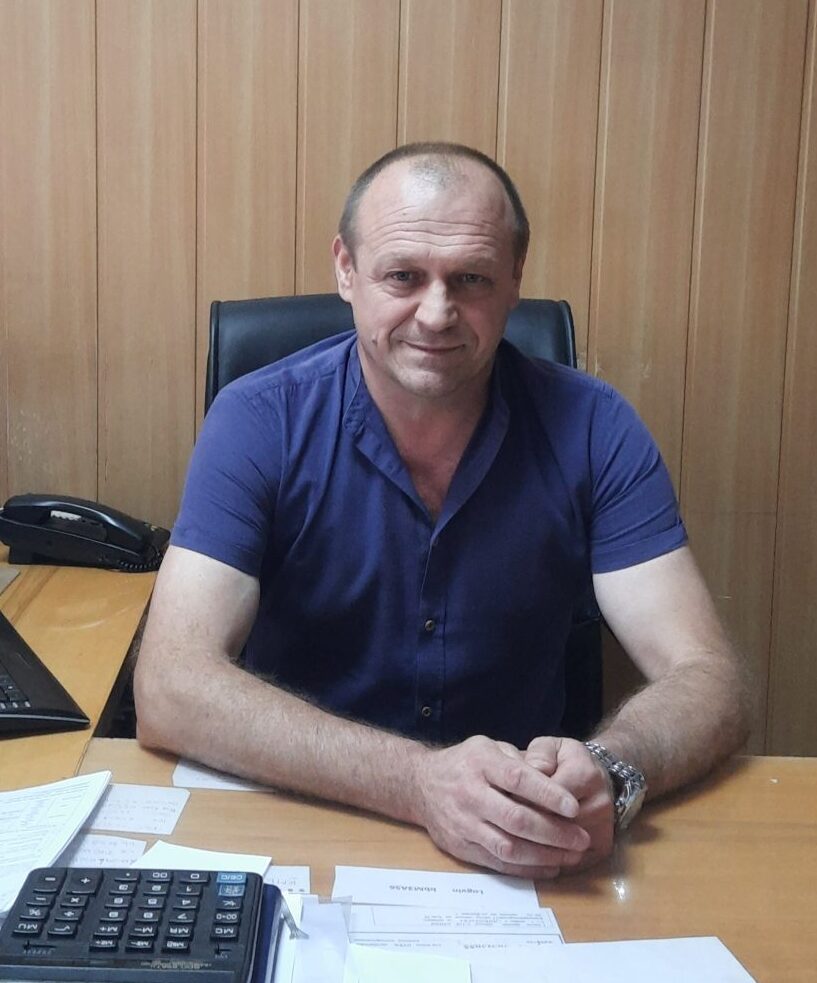
The V.P. Kukhar Institute of Bioorganic Chemistry and Petrochemistry of the NAS of Ukraine has a specialised academic council D.26.220.01, which accepts for consideration and conducts defences of dissertations for the degree of Doctor of Chemical Sciences in the specialities 02.00.10 ‘Bioorganic Chemistry’ and 02.00.13 ‘Petrochemistry and Coal Chemistry’.
Regulatory documents
Regulations on the plagiarism detection system
Requirements for the formatting of dissertations
Requirements for the formatting of dissertation abstracts
Resolution of the Cabinet of Ministers of Ukraine No. 567 of July 24, 2013
ON THE PROCEDURE FOR AWARDING ACADEMIC DEGREES
On approval of the Procedure for awarding academic degrees
Procedure for awarding and revoking the academic degree of Doctor of Science
For questions, please contact:
Vitaliy Yevdokymenko (scientific secretary of the special council) vay.77@ukr.net
Marina Shutko (technical secretary of the special council) shutko@bpci.kiev.ua
The Council of Young Scientists of the Institute of Bioorganic Chemistry and Petrochemistry of the National Academy of Sciences of Ukraine was established in February 2016 with the aim of improving interaction between young scientists both within the Institute and creating new inter-institutional and international scientific links. The Council of Young Scientists aims to promote the professional development and scientific growth of young scientists, the accumulation of scientific research experience, creative growth, and the maximum use of the scientific potential of young people in scientific institutions.
Main activities of the Council:
– proposes presentations by young scientists at meetings of the Department and scientific institutions;
– initiates various issues of scientific and public life, submits proposals and participates in the development of decisions concerning young scientists;
– develops cooperation with scientific, youth, educational, and student organizations and participates in programs for the exchange of scientific research experience;
– develops international contacts with youth and charitable organizations;
– participates in international, all-Ukrainian, interregional, regional, and other scientific projects and programs, conferences, and seminars;
– may participate in the organization of business cooperation centers, clubs, cultural, sports, and health events, exhibitions, competitions, fairs of scientific ideas, etc.;
– Popularization of science in Ukrainian society, in particular among schoolchildren and students, conducting excursions, lectures, and other scientific and educational events. Implementation of measures to establish a system of scientific guidance for the scientific work of pupils (including pupils who are members of the Junior Academy of Sciences of Ukraine) and students.
Young scientists of the National Academy of Sciences of Ukraine
The Center for Collective Use of Scientific Instruments “Infrared Spectroscopy, Optical Emission Spectroscopy and Analysis of Texture-Heat-Resistant Properties of Materials” (hereinafter referred to as the Center) was created by expanding and renaming the Center for Collective Use of Scientific Instruments “Infrared Fourier Spectroscopy”, which was established on the basis of the V.P. Kukhar Institute of Bioorganic Chemistry and Petrochemistry of the NAS of Ukraine (hereinafter referred to as the Institute) in accordance with the order of the Presidium of the NAS of Ukraine dated 06.06.2007 No. 381. The head of the Center is Doctor of Chemical Sciences, Professor Lyubov Kazymyrivna Patrylak.
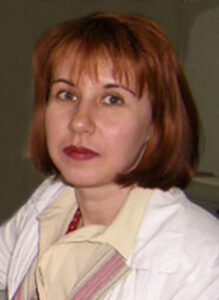
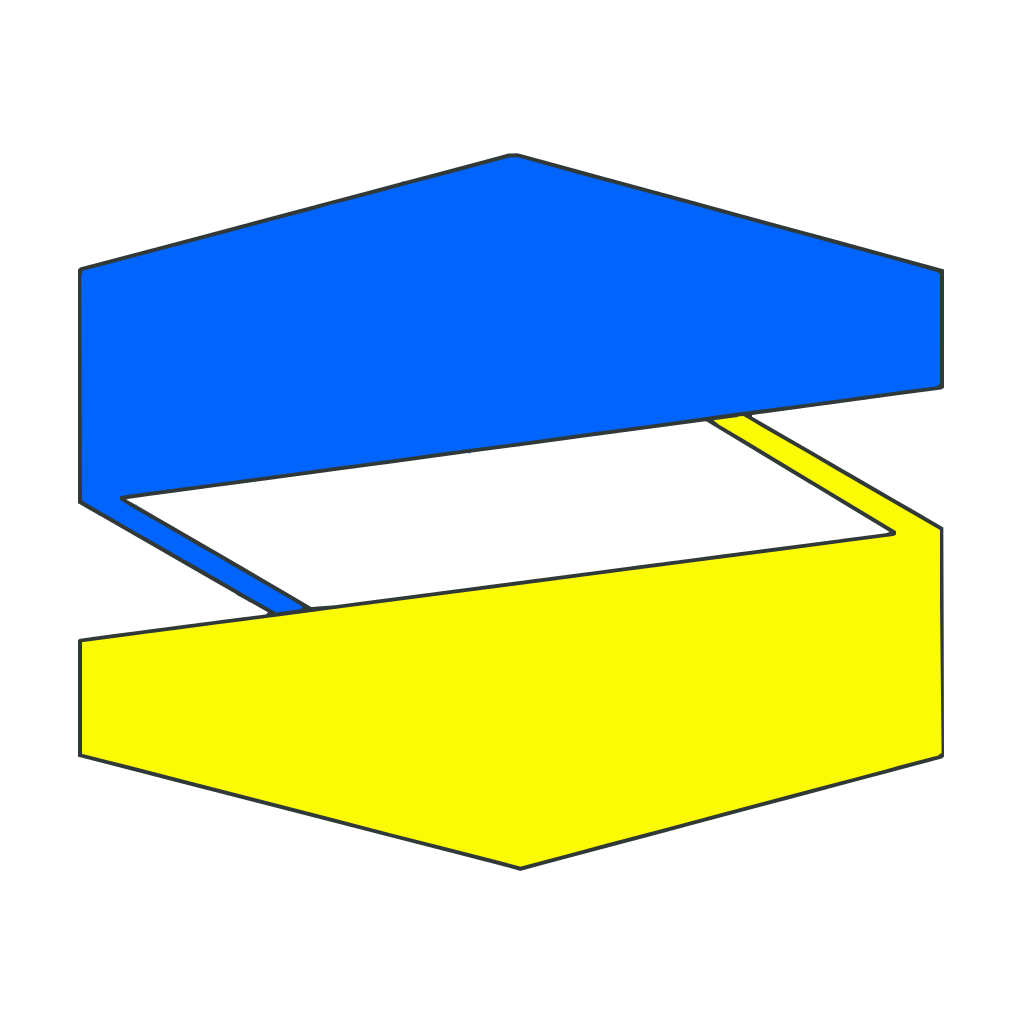
Head of the Center, Doctor of Chemical Sciences, Prof. Lyubov PATRYLAK
e-mail: lkpg@ukr.net
The Center was created on the basis of the Department of Catalytic Synthesis and the Department of Fine Organic Synthesis of the Institute with the aim of the most rational use of unique and expensive scientific instruments: Fourier spectrometer VERTEX 70 (Bruker), optical emission spectrometer with inductively coupled plasma Plasma Quant PQ 9000 Elite (Analytic Jena AG), surface area and pore size analyzer NOVA1200 (Quantachrome Instruments), STA thermal analyzer РТ1600 TG-HDSC (Linseis Messgerate GmbH) and IR spectrometer with Fourier transform and ATR-attachment (Shimadzu).
1. Main tasks and organization of the Center's work
1.1. The main task of the Center is to provide scientists of the NAS of Ukraine with the opportunity to conduct research on modern scientific instruments, operated and serviced by qualified personnel capable of maintaining the equipment in working condition and providing high-quality consulting services.
1.2. Scientific institutions and organizations of the NAS of Ukraine that need to conduct research on the scientific equipment of the Center (hereinafter referred to as the Customers) submit in writing to the Institute their applications regarding the number of hours and terms of research, the conduct of which requires the use of the Center's scientific instruments within the limits of the distribution.
1.3 To conduct experiments on the Center's instruments, responsible persons are appointed who are obliged to:
– study all the capabilities of the equipment and its functional features;
– adjust the instruments and other additional equipment for research that will be conducted at the Customer's request.
1.4. The Director of the Institute determines the Center's work schedule by his order, which is published on the Center's website.
1.5. The allocation and distribution of working time can be carried out on the basis of: hourly distribution, weekly distribution or monthly distribution.
a) For a single-shift work regime (8 hours of working time), 4 hours are allocated for the needs of the Institute; 2.5 hours are provided free of charge for customers from other scientific organizations and institutions of the NAS of Ukraine; 1.5 hours are allowed to be provided for paid use of the Center's equipment to other institutions, enterprises and organizations that are not under the jurisdiction of the NAS of Ukraine, in accordance with current legislation.
b) With a weekly distribution of time - 2 working days are entirely allocated for the needs of the Institute; 1.5 working days - for the needs of other institutions of the NAS of Ukraine and 1.5 working days are allowed to be provided for other organizations.
c) With a monthly distribution - proceed from the calculation of working days, the proportion of which is preserved. This creates an opportunity for representatives of the customer to conduct experiments that require significant time, which may significantly exceed the duration of one working day.
1.6. The use of the Center's scientific equipment is recorded in work logs of the established form.
2. Application Procedure
2.1. Institutions of the NAS of Ukraine (Customer) must submit an application in the form of an official letter addressed to the Director of the Institute (Contractor), signed by the head and certified by a seal, which will indicate the number of measurements, the names of objects to be studied and the name of the topic on which the research is being conducted.
2.2. Paid services using the Center's Instruments for the needs of institutions, enterprises and organizations that are not under the jurisdiction of the NAS of Ukraine are provided in accordance with current legislation.
2.3. To discuss the possibility of conducting research on the Center's instruments, please contact the following address: 02094, Kyiv, st. Academician Kukhariya, 1.
3. Center Equipment
High-resolution inductively coupled plasma optical emission spectrometer (ICP OES) PlasmaQuant PQ9000, Analytik Jena
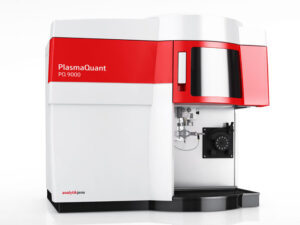
Inductively Coupled Plasma Optical Emission Spectroscopy (ICP-OES) is designed for high-precision multi-element (up to 75 elements) analysis of aqueous solutions. The instrument allows for the determination of the content of various elements from a few percent to ppm. A wide wavelength range, advanced plasma observation modes, and a high-sensitivity sample introduction system are used. This instrument allows for the rapid and accurate analysis of drinking/contaminated water and other multi-component solutions. The exceptional analytical characteristics of the Plasma Quant PQ 9000 Elite are the result of a combination of four key components of the instrument: high-resolution optics, a unique V Shuttle Torch torch movement mechanism, a DualView PLUS plasma dual-viewing system, and a reliable 40 MHz high-frequency generator.
Main technical characteristics
The detector is a two-dimensional back-illuminated FFT SSD detector with high quantum yield and increased sensitivity in the UV region.
Dual Echelon grating monochromator with focal length F=400 mm with variable slit width.
Wavelength range: 160–900 nm, covering over 43,000 emission lines.
Wavelength accuracy: < 0.4 pm, with automatic internal neon line calibration.
Spectral resolution: 0.006 nm at 200 nm (~1:70,000) for reliable resolution of closely spaced lines.
Plasma type: Inductively coupled plasma (ICP) with temperature 5500-6500 K.
DualView PLUS: Axial and radial plasma observation for simultaneous quantification
Spray chamber: Cyclonic, material PFA.
Peristaltic pump: 12-roller design with four channels.
ASpect PQ software: uses a library of over 43,000 lines.
Ar flow rate: 12-15 L/min.
Automatic sorbtometer NOVA 1200e, Quantachrome
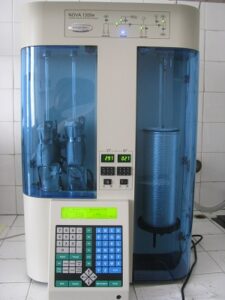
The NOVA 1200e automatic sorbometer is designed for fast and reproducible surface analysis of solid granular and powdery materials (catalysts, adsorbents, minerals, pigments, ceramics, pharmaceuticals, activated carbon, etc.). It is possible to simultaneously prepare two samples for imaging (vacuum degassing at temperatures up to 300 ºС) and analyze one sample. The analysis (imaging of low-temperature nitrogen adsorption/desorption isotherms T = -196 ºС) is performed using gaseous and liquid N2. According to the data obtained, the surface area, pore volume and pore size distribution are calculated in the NovaWin 11.04 software using the following methods: BET, Langmuir, t, αs, Dubinin Radushkevych, Dubinin Astakhov, BJH (Barrett-Joyner-Halenda), DH (Dollimore-Heal), density functional theory, etc.
Main technical characteristics
Specific surface area range: from 0.1 to several thousand m²/g.
Pore volume: detection limit > 0.01 m³/g.
Pore size: from 0.35 nm.
Sensitivity: <1×10⁻⁷ mol of adsorbed/desorbed gas.
Synchronous thermal analyzer STA PT1600, Linseis
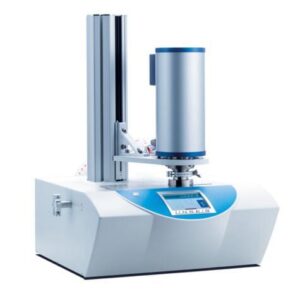
STA PT1600 combines thermogravimetric analysis (TGA) and differential scanning calorimetry (DSC), designed for universal and accurate thermal analysis in various atmospheres (air, inert gas) and temperature ranges (up to 1500 ºС).
Designed to study the thermal stability of substances (catalysts, sorbents, composite materials, glass, polymers, ceramics, metals, etc.), as well as their oxidation processes. Determination of mass change, thermal stability, phase transitions, oxidation resistance, heat capacity, melting point, glass transition temperature, etc.
Main technical specifications
Heating rate: 1–100°C/min
Measured temperature accuracy: ±0.3°C
Resolution: up to 0.1 μg
Sample mass range: up to 25 mg
Maximum sample volume: 0.1 ml
Measured mass accuracy: ±0.02%
DSC resolution: 0.3–1.2 μW
Fourier spectrometer IRAffiniti-1s, Shimadzu
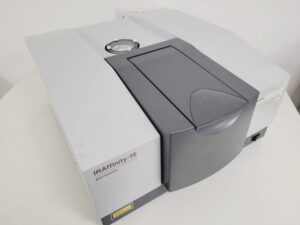
The Shimadzu IRAffiniti-1S is a Fourier transform infrared (FTIR) spectrometer used for the analysis of samples in various states of aggregation (liquid, solid). This instrument is equipped with an Attenuated Total Reflectance (ATR) attachment. The advantage of using the ATR attachment is the short path length of the light in the sample. This allows you to avoid difficulties arising from strong absorption in some media, such as aqueous solutions.
Main technical characteristics
Beam splitter: KBr with germanium coating and moisture-resistant protective coating.
Light source: High-energy ceramic source.
Detector: DLATGS with temperature control for high sensitivity.
Wavenumber range: from 4000 to 400 cm⁻¹.
Resolution: 0.5, 1, 2, 4, 8 or 16 cm⁻¹.
Signal to noise ratio (S/N): ≥30,000:1.
Infrared Fourier Spectrometer Vertex 70
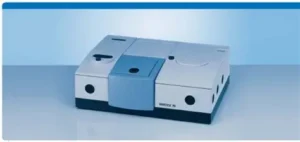
The Vertex 70 infrared Fourier spectrometer is designed to measure infrared spectra of chemical compounds in the mid-infrared range and is indispensable in the study of both fast chemical reactions of organic and biological substances (kinetic studies), and in the study of the structure of organic, bioorganic and biological molecules (proteins, peptides, etc.) in solutions and in the solid state.
Main technical characteristics of the device
Spectral range: 7500 – 400 cm-1
Resolution better than 0.5 cm-1
Signal/noise ratio not worse than 40000:1 per minute, peak to peak with a resolution of 0.5 cm-1
Wavenumber accuracy better than 0.01 cm-1
ROCKSOLIDM interferometer, which does not require adjustment, highly stable
Scanning speed >10/sec at 8 cm-1 spectral resolution
Highly sensitive DLATGS detector, easily replaceable
ADC dynamic range 24 bit
OPUS 6.0 software
Contacts
Tel. +38 (044) 292-30-96
e-mail: lkpg@ukr.net