


1. General information.
The V.P. Kukhar Institute of Bioorganic Chemistry and Petrochemistry of the National Academy of Sciences of Ukraine (hereinafter referred to as the Institute) is a state budgetary non-profit scientific institution founded on state property, under the authority of the National Academy of Sciences of Ukraine, and part of the Division of Chemistry of the NAS of Ukraine.
The Institute was established in accordance with Resolution No. 181 of the Presidium of the Academy of Sciences of the Ukrainian SSR dated 03.05.1989, on the basis of the Institute of Bioorganic Chemistry of the Academy of Sciences of the Ukrainian SSR, founded on 16.01.1987, and the Department of Petrochemistry of the Institute of Physical-Organic Chemistry and Coal Chemistry of the Academy of Sciences of the Ukrainian SSR.
In order to commemorate V.P. Kukhar – an outstanding scientist and organizer of science, Academician of the NAS of Ukraine, founder and first director of the Institute of Bioorganic Chemistry and Petrochemistry of the NAS of Ukraine – the Institute was renamed the V.P. Kukhar Institute of Bioorganic Chemistry and Petrochemistry of the NAS of Ukraine in 2018 (Resolution No. 185 of the Presidium of the NAS of Ukraine dated 30.05.2018), and in 2022, by Decision No. 5416/5457 of the Kyiv City Council dated 08.09.2022, Murmanska Street, on which the Institute is located, was renamed Akademika Kukharia Street.
The V.P. Kukhar Institute of Bioorganic Chemistry and Petrochemistry of the NAS of Ukraine is a leading scientific institution carrying out fundamental and applied research in the field of bioorganic chemistry and petrochemistry in Ukraine.
The main tasks of the Institute are:
1. Conducting fundamental and applied scientific research in relevant fields of science and technology in order to obtain new scientific knowledge and use it for practical purposes, including:
– synthesis of potentially bioactive compounds and study of the relationship between structure and activity;
– chemical models of biological processes, synthesis and study of the biological properties of new bioregulators for use in medicine and agriculture;
– development of the scientific basis for the synthesis and technologies for obtaining practically important products and materials from hydrocarbon raw materials.
2. Carrying out scientific and technical (experimental) developments based on scientific knowledge obtained as a result of scientific research or practical experience.
3. Provision of scientific and technical services.
4. Conducting scientific and scientific-technical expert examinations.
5. Training highly qualified scientific personnel through postgraduate and doctoral studies.
6. Ensuring the high quality of scientific research and scientific-technical (experimental) developments, systematic accumulation and generalization of scientific results, creating conditions for realizing the creative potential of the scientific staff, and social protection of employees.
7. Preserving and developing the scientific infrastructure.
8. Informing the general public about the results of its activities.
2. Structure of the Institute.
1. Department No. 1 of Fine Organic Synthesis (Head – Dr. Sc. (Chem.), Senior Researcher I.I. Herus);
including Laboratory No. 1.1 of the Synthesis of Physiologically Active Phosphorus Compounds (Head – Dr. Sc. (Chem.) A.O. Kolodiazhna).
2. Department No. 2 of Chemistry of Bioactive Nitrogen-Containing Heterocyclic Bases (Head – Dr. Sc. (Chem.) S.H. Pilyo).
3. Department No. 3 of Mechanisms of Bioorganic Reactions (Head – Corresponding Member of the NAS of Ukraine, Dr. Sc. (Chem.), Prof. A.I. Vovk),
including Laboratory No. 3.1 of Molecular Mechanisms of Cell Metabolism Regulation (Head – Ph.D. (Biol.) M.V. Derevianchuk).
4. Department No. 4 of Chemistry of Natural Compounds (Head – Dr. Sc. (Chem.), Prof. O.B. Smoliy),
including Laboratory No. 4.1 of Biomedical Research (Head – Dr. Sc. (Biol.), Senior Researcher L.O. Metelytsia).
5. Department No. 8 of Organic and Petrochemical Synthesis (Head – Ph.D. (Chem.) V.O. Yevdokymenko),
including Laboratory No. 8.1 of Polymer Materials Modification (Head – Ph.D. (Chem.) S.P. Rohalskyi).
6. Department No. 10 of Catalytic Synthesis (Head – Dr. Sc. (Chem.), Prof. L.K. Patrylyak).
7. Department No. 16 of Chemistry of Functional Materials (Head – Dr. Sc. (Chem.), Prof. O.A. Pud).
8. Department No. 24 of Scientific-Organizational Work and Intellectual Property (Head – Ph.D. (Chem.) S.V. Popilnichenko).
On the basis of the Institute, the NAS of Ukraine Shared-Use Instrumentation Center “Infrared Spectroscopy, Optical-Emission Spectroscopy and Analysis of the Texture and Thermal Stability of Materials” has been established.
3. Areas of activity of the Institute:
4. Institute Councils.
The V.P. Kukhar Institute of Bioorganic Chemistry and Petrochemistry of the NAS of Ukraine has an Academic Council, a Bioorganic Section of the Academic Council, a Petrochemistry Section of the Academic Council, Specialized Academic Council D.26.220.01, and a Council of Young Scientists.
Since 2021, the Institute has been establishing ad hoc specialized academic councils authorized to accept for consideration and conduct defenses of dissertations for the degree of Doctor of Philosophy (field of knowledge – 10 “Natural Sciences”, specialty – 102 “Chemistry”). During the reporting period, these councils held 10 dissertation defenses by graduates of the Institute’s postgraduate program for the academic degree of Doctor of Philosophy in specialty “102 Chemistry”. Electronic link to the website where information on the ad hoc specialized academic councils is posted: https://bpci.kiev.ua/thesis-defense/
Low molecular weight bioregulators
Systematic approach to scientific writing
Biologically active substances as antimicrobial agents
Organization and preparation of a dissertation
Enzymes and their special functions
Signaling systems of cells at different levels of organization
Methods for studying bioactivity in silico and in vitro
Methodology and organization of scientific research in biology
Molecular mechanisms of regulation of biological systems
Low molecular weight plant bioregulators
Systematic approach to scientific writing
Biologically active substances as antimicrobial agents
Organization and preparation of a dissertation
Bioinformatics in biochemical research
Signaling systems of cells at different levels of organization
Methods for studying bioactivity in silico and in vitro
Methodology and organization of scientific research in biology and biochemistry
Biochemistry of mechanisms of regulation of biological systems
PND Methodology and organization of scientific research
PND Postgraduate research seminar
PND Development of a dissertation project
PND Physical and chemical methods for studying the structure of molecules
PND General issues of petrochemistry and coal chemistry
PND Fundamentals of bioorganic chemistry
PND Molecular mechanisms in bioorganic chemistry
PND Bioactive organoelement compounds
PND New methods of organic synthesis of bioactive compounds
PND Fundamentals of the chemistry of natural compounds
PND Monomers and polymers in organic and petrochemical synthesis
PND Alternative raw materials for organic and petrochemical synthesis
PND Catalytic processes in oil refining
PND Surfactants: synthesis, properties, applications
RPKM Bioactive organometallic compounds
RPKM Molecular mechanisms in bioorganic chemistry
RPKM New methods of organic synthesis of bioactive compounds
RPKM Fundamentals of bioorganic chemistry
RPKM Fundamentals of chemistry of natural compounds
RPKM Physical and chemical methods of studying molecular structure
RPKM General issues of petrochemistry and coal chemistry
RPKM Methodology and organization of scientific research
RPKM Development of a dissertation project
RPKM Surface-active substances
RPKM Alternative raw materials
PND – Systemic Approach to Scientific Paper Formatting
PND – Organization and Preparation of Dissertation Work
PND – Methodology and Organization of Scientific Research in Biology
PND – Methods of Studying Bioactivity in Silico and in Vitro
PND – Cell signaling systems at different levels of organization
PND – Low molecular weight plant bioregulators
PND – Enzymes and their functioning
PND – Biologically active substances as antimicrobial agents
PND_Fundamentals of bioenergetics
PND_Molecular mechanisms of biological systems regulation
RPKM Biologically active substances as antimicrobial agents
RPKM Enzymes and their functioning
RPKM Methods of in silico and in vitro bioactivity research
RPKM Methodology and organization of scientific research in biology
RPKM Molecular mechanisms of regulation of biological systems
RPKM Low molecular weight plant bioregulators
RPKM Cell signaling systems at different levels of organization
RPKM A systematic approach to the preparation of scientific papers
RPKM Fundamentals of bioenergetics
RPKM – Organization and preparation of a dissertation
PND – A systematic approach to the preparation of scientific papers
PND – Organization and preparation of a dissertation
PND – Methodology and organization of scientific research in biology and biochemistry
PND – Methods for studying bioactivity in silico and in vitro
PND – Signaling systems of cells at different levels of organization
PND – Low-molecular-weight plant bioregulators
PND – Bioinformatics in biochemical research
PND – Biologically active substances as antimicrobial agents
PND_Fundamentals of bioenergetics
PND_Biochemistry of biological systems regulation mechanisms
RPKM Biologically active substances as antimicrobial agents
RPKM Bioinformatics in biochemical research
RPKM Methods for studying bioactivity in silico and in vitro
RPKM Methodology and organization of scientific research in biology and biochemistry
RPKM Biochemistry of biological system regulation mechanisms
RPCM Low-molecular-weight plant bioregulators
RPCM Cell signaling systems at different levels of organization
RPCM A systematic approach to the preparation of scientific papers
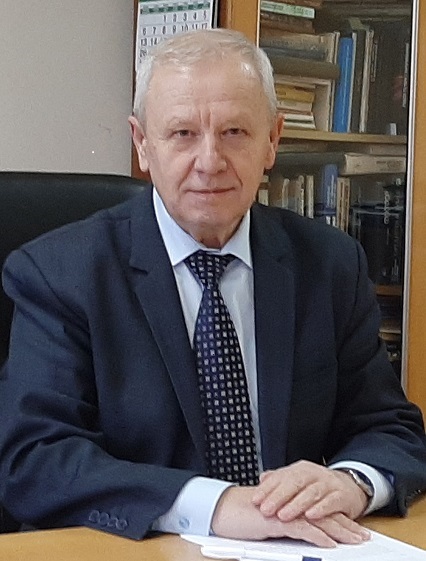 | Andrii Ivanovych VovkCorresponding Member of the NAS of Ukraine, Doctor of Chemical Sciences, Professor. Advisor to the Directorate, Head of the Department of Mechanisms of Bioorganic Reactions. | 1. Compulsory educational discipline ОНД 1.03 “Organizational Principles and Effectiveness of Scientific Research in Chemistry. Pedagogy of Higher Education.” Specialty E3 Chemistry First year, semesters 1, 2 Total course load – 4 ECTS credits (120 hours). Instructor’s workload – 4 ECTS credits (120 hours). 2. Elective educational discipline ДВА 2.01 “Molecular Mechanisms in Bioorganic Chemistry.” Specialty E3 Chemistry Second year, semester 4 Total course load – 4 ECTS credits (120 hours). |
The main areas of scientific activity include the study of the mechanisms of model reactions and the bioactivity mechanisms of natural and synthetic organic compounds, the design and synthesis of potentially bioactive organic molecules, establishing the relationship between their structure and activity, and predicting bioactivity using computer modeling methods. The objects of research are natural and synthetic heterocyclic and organophosphorus compounds, as well as therapeutically important hydrolases, transferases, oxidoreductases, and other protein structures as potential targets. Recent work has focused on studying the properties of bioactive structural analogues of vitamin B1, and on the search for, design, synthesis, and study of inhibitors of non-specific alkaline phosphatases, protein tyrosine phosphatases, cholinesterases, glutathione S-transferases, xanthine oxidase, α-glucosidase, and other enzymes. Research on antioxidants and spin probes continues. Alongside in vitro experimental approaches, the research employs molecular docking, molecular dynamics, and QSAR methods. | ||
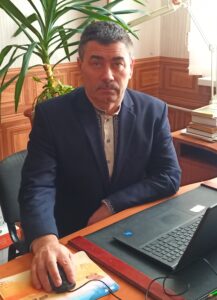 | Stepan Hryhorovych PilyoDoctor of Chemical Sciences, Senior Researcher. Head of the Department of Chemistry of Bioactive Nitrogen-Containing Heterocyclic Bases. | Compulsory educational discipline ОНД 2.01 “Fundamentals of Bioorganic Chemistry.” Specialty E3 Chemistry Second year, semesters 3, 4 Total course load – 4 ECTS credits (120 hours). |
The main areas of scientific activity include the development of preparative methods for the synthesis of potentially bioactive substances of a heterocyclic nature with the aim of finding effective antitumor, antiviral, vasodilator agents, enzyme inhibitors, pesticides, plant growth regulators, and others. To achieve this goal, S.H. Pilyo uses original acyclic reagents for the synthesis of five- and six-membered nitrogen-containing heterocycles and their fused derivatives, which contain various nitrogen-, sulfur-, and phosphorus-containing pharmacophoric groups at different positions of the heterocyclic system. A promising area of Stepan Pilyo’s work is the search for new effective and environmentally safe plant growth regulators based on synthetic five- and six-membered heterocyclic compounds, with a view to their practical implementation in agriculture to improve the growth and development of commercially important crops and increase their yield. | ||
 | Oleh Borysovych SmoliyDoctor of Chemical Sciences, Professor. Head of the Department of Chemistry of Natural Compounds. | Elective educational discipline ДВА 1.02 “Postgraduate Research Seminar.” Specialty E3 Chemistry Second year, semester 3 Total course load – 3 ECTS credits (90 hours). |
The main areas of scientific activity include: the search for approaches to the synthesis of potential biologically active substances based on structural analogues of natural compounds; the development of preparative methods for introducing pharmacophoric groups at appropriate positions of cyclic systems to increase biological activity; and establishing the influence of the structural features of the obtained compounds on their biological activity. | ||
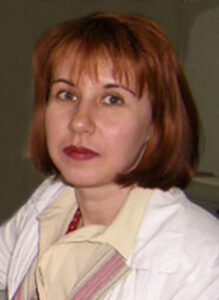 | Liubov Kazymyrivna PatrylyakDoctor of Chemical Sciences, Professor. Head of the Department of Catalytic Synthesis. | 1. Compulsory educational discipline ОНД 2.02 “General Issues of Petrochemistry and Coal Chemistry.” Specialty E3 Chemistry Second year, semesters 3, 4 Total course load – 4 ECTS credits (120 hours). 2. Elective educational discipline ДВА 2.07 “Catalytic Processes of Petroleum Refining.” Specialty E3 Chemistry Second year, semester 4 Total course load – 4 ECTS credits (120 hours). 3. Elective educational discipline ДВА 2.10 “Surfactants – Synthesis, Properties, Application.” Specialty E3 Chemistry Second year, semester 4 Total course load – 4 ECTS credits (120 hours). |
The main areas of scientific activity: acid-base catalysis of hydrocarbon conversion; new phenomena in the field of heterogeneous catalysis and the nature of the catalytic activity of zeolite catalysts; study of the adsorption and acid-base properties of heterogeneous catalysts; study of the patterns of carbonium-ion reactions and the effectiveness of the synthesized catalysts in model reactions and on real hydrocarbon mixtures; synthesis of micro-mesoporous carbon sorbents and catalysts; production of biofuels and bio-lubricant materials based on renewable raw materials – oils of various origin and ethyl/propyl/butyl alcohols; development and synthesis of environmentally safe surfactants, technological systems, and materials; conversion of simple carbohydrates (glucose, fructose) into platform chemicals (5-hydroxymethylfurfural, levulinic acid, etc.); oleochemical syntheses based on fatty acid epoxides. | ||
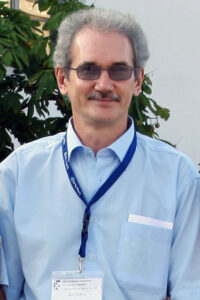 | Ihor Ivanovych HerusDoctor of Chemical Sciences, Senior Researcher. Head of the Department of Fine Organic Synthesis. | 1. Compulsory educational discipline ОНД 2.03 “Physicochemical Methods for Studying Molecular Structure.” Specialty E3 Chemistry Second year, semester 3 Total course load – 4 ECTS credits (120 hours). 2. Elective educational discipline ДВА 2.02 “Modern Methods of Organic Synthesis of Bioactive Compounds.” Specialty E3 Chemistry Second year, semester 4 Total course load – 4 ECTS credits (120 hours). Instructor’s workload – 2 ECTS credits (60 hours). |
The main scientific area of activity is the development of methods for the targeted synthesis of phosphorus- and fluorine-containing isoelectronic and bioisosteric structural analogues of natural compounds. I.I. Herus has established that the introduction of fluorine atoms into the structure of molecules does not lead to significant changes in the spatial structure of organic molecules, since the sizes of hydrogen and fluorine atoms are very close, but the special electronic properties of the fluorine atom and fluorine-containing groups often lead to fundamental and positive changes in the chemical behavior and biological activity of compounds. Also an interesting and promising area of I.I. Herus’s work is the synthesis and study of organophosphorus molecules containing fluorine-containing fragments. | ||
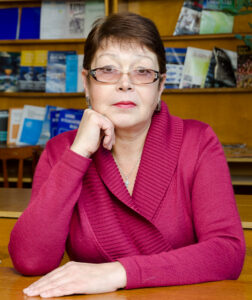 | Larysa Oleksiivna MetelytsiaDoctor of Biological Sciences, Professor, Head of the Laboratory of Biomedical Research. | 1. Compulsory educational discipline ОНД 2.03 “Methods for Studying Bioactivity In Silico and In Vitro.” Specialty E1 Biology and Biochemistry Second year, semesters 3, 4 Total course load – 4 ECTS credits (120 hours). 2. Elective educational discipline ДВА 1.01 “A Systematic Approach to Scientific Writing.” E1 Biology and Biochemistry Second year, semester 3 Total course load – 4 ECTS credits (120 hours). 3. Elective educational discipline ДВА 2.01 “Biologically Active Substances as Antimicrobial Agents.” E1 Biology and Biochemistry Second year, semester 4 Total course load – 4 ECTS credits (120 hours). 4. Elective educational discipline ДВА 2.05 “Methods for Studying Bioactivity In Silico and In Vitro.” Specialty E3 Chemistry Second year, semester 4 Total course load – 4 ECTS credits (120 hours). |
The main scientific direction of research is the study, using in silico, in vitro, and in vivo methods, of new low-molecular-weight compounds as promising bioregulators with a broad spectrum of action. L.O. Metelytsia is a specialist in chemoinformatics and medical/biological chemistry, who successfully uses virtual screening based on QSAR/QSTR approaches to predict the properties of new biologically active compounds. Based on the analysis of established patterns, a number of heterocyclic compounds with high antioxidant potential of antimicrobial, antiviral, and anticancer action are identified. Particular attention in L.O. Metelytsia’s research is paid to in vivo studies of toxicity, including the ecotoxicity of the most promising compounds. | ||
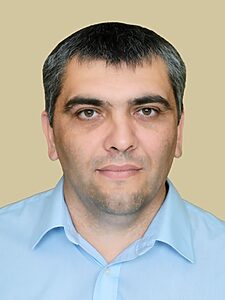 | Oleksandr Volodymyrovych HolovchenkoDoctor of Chemical Sciences, Senior Researcher. Acting Deputy Director for Research, Senior Researcher of the Department of Bioactive Nitrogen-Containing Heterocyclic Bases. | Elective educational discipline ДВА 2.02 “Modern Methods of Organic Synthesis of Bioactive Compounds.” Specialty E3 Chemistry Second year, semester 4 Total course load – 4 ECTS credits (120 hours). Instructor’s workload – 2 ECTS credits (60 hours). |
The main areas of scientific activity include the development of preparative methods for the synthesis of phosphorus-containing heterocyclic systems and the study of the synthesized substances for antibacterial, antiviral, antitumor, and other types of biological activity. | ||
 | Anastasiia Olehivna KolodiazhnaDoctor of Chemical Sciences, Senior Researcher. Head of the Laboratory of Synthesis of Physiologically Active Phosphorus Compounds. | Elective educational discipline ДВА 2.03 “Bioactive Organoelement Compounds.” Specialty E3 Chemistry Second year, semester 4 Total course load – 4 ECTS credits (120 hours). |
The main areas of scientific activity concern the chemistry of phosphorus ylides, the asymmetric synthesis of organic, organoelement, and organophosphorus compounds, the synthesis of phosphorus analogues of natural compounds, and potential biologically active compounds. A.O. Kolodiazhna’s research is aimed at developing preparative methods for the synthesis of organic, organoelement, and organophosphorus compounds with potential biological activity, as well as establishing the main patterns of their chemical behavior and identifying the possibilities of using these chiral synthons in the synthesis of enantiomerically pure bioregulators. | ||
Mykhailo Serhiiovych FrasyniukDoctor of Chemical Sciences, Professor. Leading Researcher of the Department of Chemistry of Natural Compounds. | Elective educational discipline ДВА 2.04 “Fundamentals of the Chemistry of Natural Compounds.” Specialty E3 Chemistry Second year, semester 4 Total course load – 4 ECTS credits (120 hours). | |
The main areas of scientific activity include: the search for and study of new approaches to the synthesis and modification of natural flavonoids and their analogues; the development of simple and effective methods for obtaining benzothiazole and benzimidazole analogues of isoflavones, 3-(2-benzazolyl)coumarins, and the study of their physicochemical properties; the use of Mannich bases of isoflavones as intermediate compounds for obtaining new oxygen-containing heterocyclic systems based on the chromone core. | ||
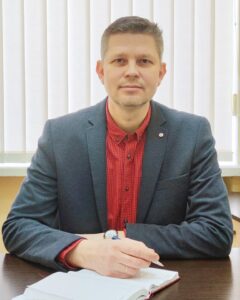 | Vitalii Oleksandrovych YevdokymenkoPh.D. (Chem.), Senior Researcher. Head of the Department of Organic and Petrochemical Synthesis. | Elective educational discipline ДВА 2.08 “Alternative Raw Materials for Organic and Petrochemical Synthesis.” Specialty E3 Chemistry Second year, semester 4 Total course load – 4 ECTS credits (120 hours). |
The main areas of scientific activity concern the processing of carbon oxides on industrial catalysts to obtain alcohols and motor fuel components; the study of scientific and technical aspects of the key stages of the technological scheme for processing plant biomass and anthropogenic waste to obtain chemical reagents, both as base products and as precursors for organic synthesis products; the development of organo-mineral fertilizers and primers from anthropogenic and agricultural waste; and the synthesis and study of polyfunctional modifying additives based on plant and petrochemical raw materials for industrial polymers. | ||
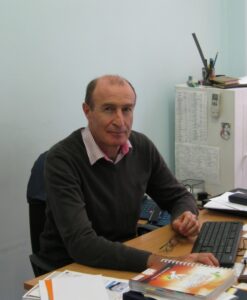 | Oleksandr Arkadiiovych PudDoctor of Chemical Sciences, Professor, Head of the Department of Chemistry of Functional Materials. | Elective educational discipline ДВА 2.09 “Monomers and Polymers in Organic and Petrochemical Synthesis.” Specialty E3 Chemistry Second year, semester 4 Total course load – 4 ECTS credits (120 hours). |
The main scientific areas of activity are related to the synthesis and study of the formation features, properties, structure, morphology, and functioning of “smart” hybrid (nano)composites of electrically conductive and biocompatible conjugated polymers/biopolymers with polymers of a different nature, inorganic nanoparticles (semiconductor, dielectric, magnetic, etc.), or with carbon materials (carbon nanotubes, carbon fibers). O.A. Pud studies the efficiency of synthesized/formed nanocomposites of electrically conductive and biocompatible conjugated polymers as sensor, electrically conductive, thermosensitive, and photoactive materials, carriers of medical and diagnostic agents in living organisms, for protection against electromagnetic radiation and static electricity, sorbents of heavy metal cations and pollutants in natural waters, etc. The developed materials can also be used in photovoltaic and electrochromic devices, for protecting metals from corrosion, etc. | ||
 | Olha Valentynivna ShablykinaPh.D. (Chem.). Senior Researcher of the Department of Chemistry of Bioactive Nitrogen-Containing Heterocyclic Bases. | Elective educational discipline ДВА 2.06 “Chemistry of Alkaloids.” Specialty E3 Chemistry Second year, semester 4 Total course load – 4 ECTS credits (120 hours). |
The main areas of scientific activity: organic chemistry of aromatic and heterocyclic compounds, chemistry of alkaloids, current aspects of medicinal chemistry, and combinatorial chemistry. | ||
 | Viktoriia Anatoliivna TsygankovaDoctor of Biological Sciences. Leading Researcher of the Department of Chemistry of Bioactive Nitrogen-Containing Heterocyclic Bases. | 1. Compulsory educational discipline ОНД 1.03 “Methodology and Organization of Scientific Research in Biology and Biochemistry.” Specialty E1 Biology and Biochemistry First year, semesters 1, 2 Total course load – 4 ECTS credits (120 hours). 2. Compulsory educational discipline ОНД 2.01 “Bioorganic Chemistry.” Specialty E1 Biology and Biochemistry Second year, semesters 3, 4 Total course load – 4 ECTS credits (120 hours). 3. Elective educational discipline ДВА 2.03 “Low-Molecular-Weight Plant Bioregulators.” Specialty E1 Biology and Biochemistry Second year, semester 4 Total course load – 4 ECTS credits (120 hours). |
The main areas of scientific activity concern the creation of new environmentally safe plant growth regulators of synthetic and natural origin, as well as the study of the physiological and molecular-genetic aspects of their action on accelerating the growth and development of agricultural and medicinal plants, increasing the yield and resistance of agricultural crops to pathogenic and parasitic organisms (bacteria, fungi, nematodes, and insect pests), as well as to environmental stress factors (drought, cold, elevated temperatures, soil pollution, etc.). | ||
 | Mykhailo Viktorovych DerevianchukPh.D. (Biol.). Head of the Laboratory of Molecular Mechanisms of Cell Metabolism Regulation. | 1. Elective educational discipline ДВА 1.02 “Organization and Preparation of a Dissertation.” E1 Biology and Biochemistry Second year, semester 3 Total course load – 4 ECTS credits (120 hours). 2. Elective educational discipline ДВА 2.02 “Signaling Systems of Cells at Different Levels of Organization.” E1 Biology and Biochemistry Second year, semester 4 Total course load – 4 ECTS credits (120 hours). 3. Elective educational discipline ДВА 2.05 “Fundamentals of Bioenergetics.” Specialty E3 Chemistry Second year, semester 4 Total course load – 4 ECTS credits (120 hours). |
The main scientific direction of research is the study of the molecular mechanisms of cell metabolism regulation, in particular hormonal and stress signaling. The objects of study are the model plant system Arabidopsis thaliana and a number of cultivated plants (rapeseed, barley, soybean). The laboratory conducts current research to elucidate the mechanisms of the influence of the hormones brassinosteroids and cytokinins on the regulation of key metabolic links – from the early processes of signal reception and the formation of signaling messengers, to determining changes in the functioning of key cell homeostasis systems, in particular the functioning of the mitochondrial respiratory chain. Recently, M.V. Derevianchuk’s work has focused on studying the cell’s adaptive mechanisms to the action of toxic metals, in particular zinc and copper. Pollution with heavy metals is one of the challenges of martial law. The researcher conducts promising studies on the role of cytokinins in increasing plant resistance to stress conditions caused by toxic metals, in particular by programming the adaptive hormonal profile of plants. | ||
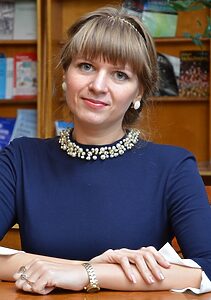 | Diana Mykolaivna HodynaPh.D. (Biol.). Senior Researcher of the Laboratory of Biomedical Research. | 1. Compulsory educational discipline ОНД 2.02 “Biochemistry of the Mechanisms of Regulation of Biological Systems.” Specialty E1 Biology and Biochemistry Second year, semesters 3, 4 Total course load – 4 ECTS credits (120 hours). 2. Elective educational discipline ДВА 2.04 “Bioinformatics in Biochemical Research.” E1 Biology and Biochemistry Second year, semester 4 Total course load – 4 ECTS credits (120 hours). |
The main scientific direction of research is the study, using in silico, in vitro, and in vivo methods, of new low-molecular-weight compounds as promising bioregulators with a broad spectrum of action. | ||
REGULATIONS on academic integrity (ETHICAL CODE OF A UKRAINIAN SCIENTIST)
REGULATIONS on the Scientific Ethics Committee of the Academic Council
REGULATIONS on the formation, approval, and updating of educational and scientific programs
REGULATIONS on the guarantor of the educational and scientific program
REGULATIONS on the internal system of quality assurance in higher education
REGULATIONS on the system for detecting and preventing academic plagiarism
REGULATIONS on the order and procedures for resolving conflicts
REGULATIONS on the policy for preventing and combating sexual harassment
REGULATIONS on the appeals committee
REGULATIONS on the admissions committee
REGULATIONS on the dual form of higher education of the third (educational and scientific) level
REGULATIONS on the procedure for recognizing learning outcomes obtained in informal education
REGULATIONS on the procedure for sending postgraduate and doctoral students for internships
REGULATIONS on the procedure and conditions for selecting elective courses
REGULATIONS on the procedure for assessing the results of educational activities
REGULATIONS on the procedure for additional (repeat) study of disciplines
REGULATIONS on the organization of fire safety work
REGULATIONS on civil protection service
REGULATIONS on occupational safety service
REGULATIONS on contract-based education
PROCEDURE for awarding the degree of Doctor of Philosophy
PROCEDURE for ordering, issuing, and registering a Doctor of Philosophy diploma and its supplement
Strikeplagiarism – academic plagiarism check
The Institute uses the StrikePlagiarism system to check academic texts, which allows you to detect text borrowings and generate reports on similarity. The check is carried out to ensure compliance with the principles of academic integrity. The use of the system is a component of the internal education quality assurance system.
The responsible person from the Institute is Shutko Maryna Mykolaivna, tel. +38-(044) 573-25-52, e-mail: shutko@bpci.kiev.ua.
Order of the National Academy of Sciences of Ukraine No. 328 dated May 30, 2016
01601, Ukraine, Kyiv, 4 Trekhsvyatitelskaya St. (from 10:00 a.m. to 5:00 p.m.)
Telephone: (044) 278-30-13
E-mail: cgoedupart (at) ukr.net
01601, Ukraine, Kyiv, 4 Trekhsvyatitelskaya St. (from 10:00 to 17:00)
Phone: (044) 278 8971
E-mail: center-fl (at) ukr.net
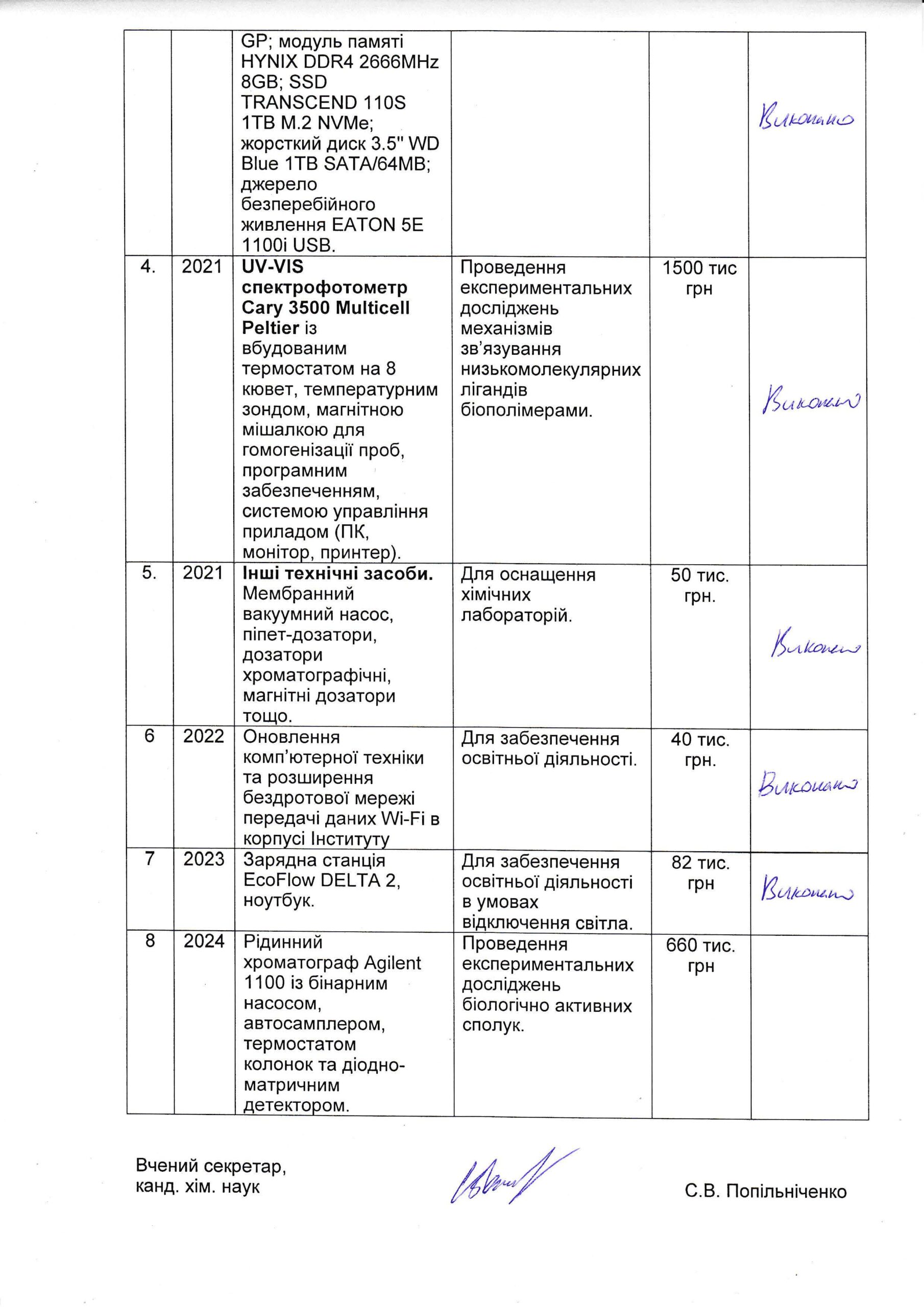
INFORMATION on quantitative and qualitative indicators of material and technical
support for educational activities in higher education
INFORMATION on teaching and methodological support for educational activities in higher education
091 – Biology and Biochemistry
ВІДОМОСТІ про інформаційне забезпечення освітньої діяльності у сфері вищої освіти
The V.P. Kukhar Institute of Bioorganic Chemistry and Petrochemistry of the National Academy of Sciences of Ukraine has a specially equipped civil defense shelter No. 104047, intended for sheltering higher education students and Institute staff in the event of emergencies related to the threat of air danger or the threat of shelling. The shelter is equipped with a ventilation system that can operate in pure ventilation mode or filter-ventilation mode using FPU-200 filter-absorbers. The shelter has two sanitary facilities, a sewage system, electricity supply, and two exits to the surface.
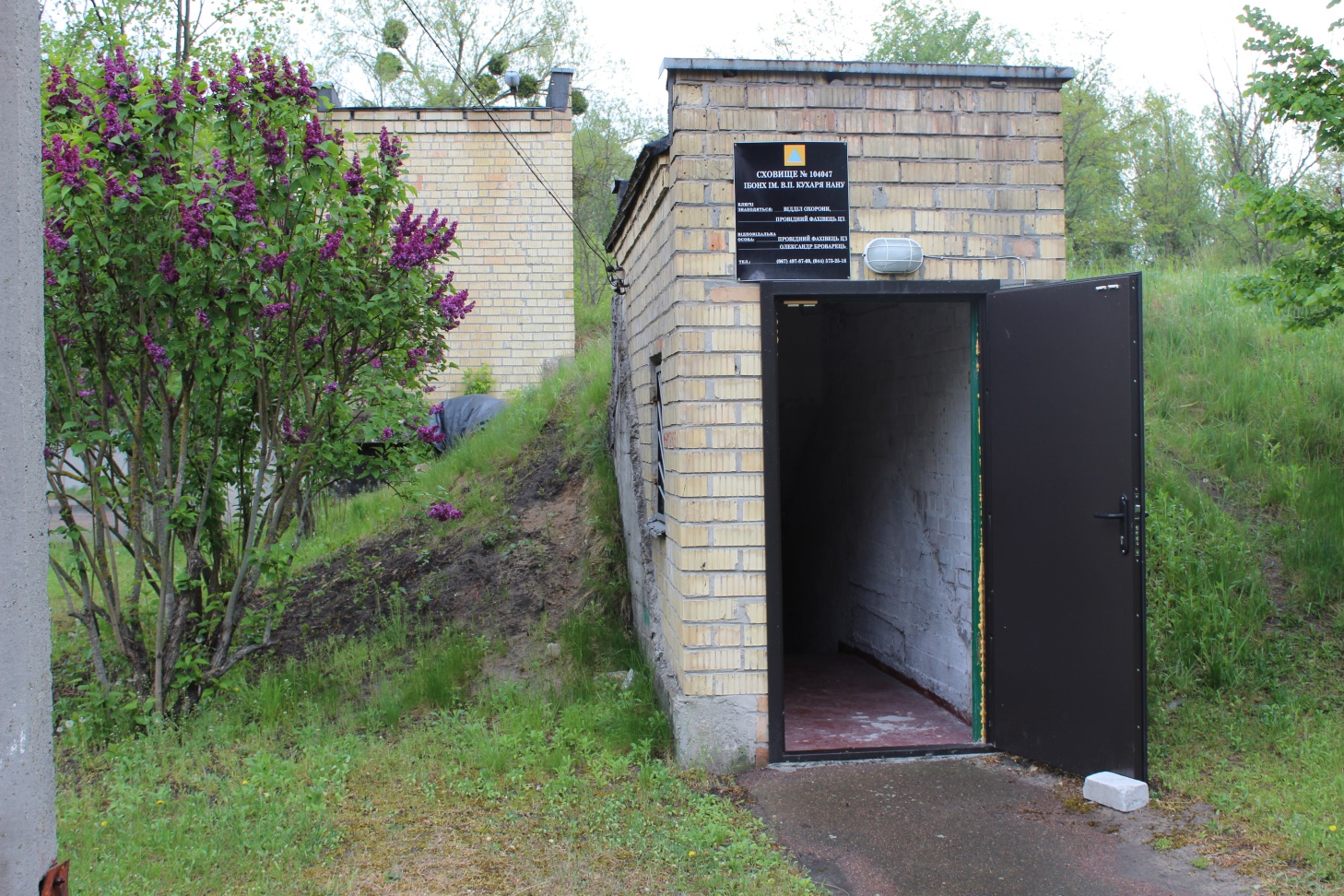
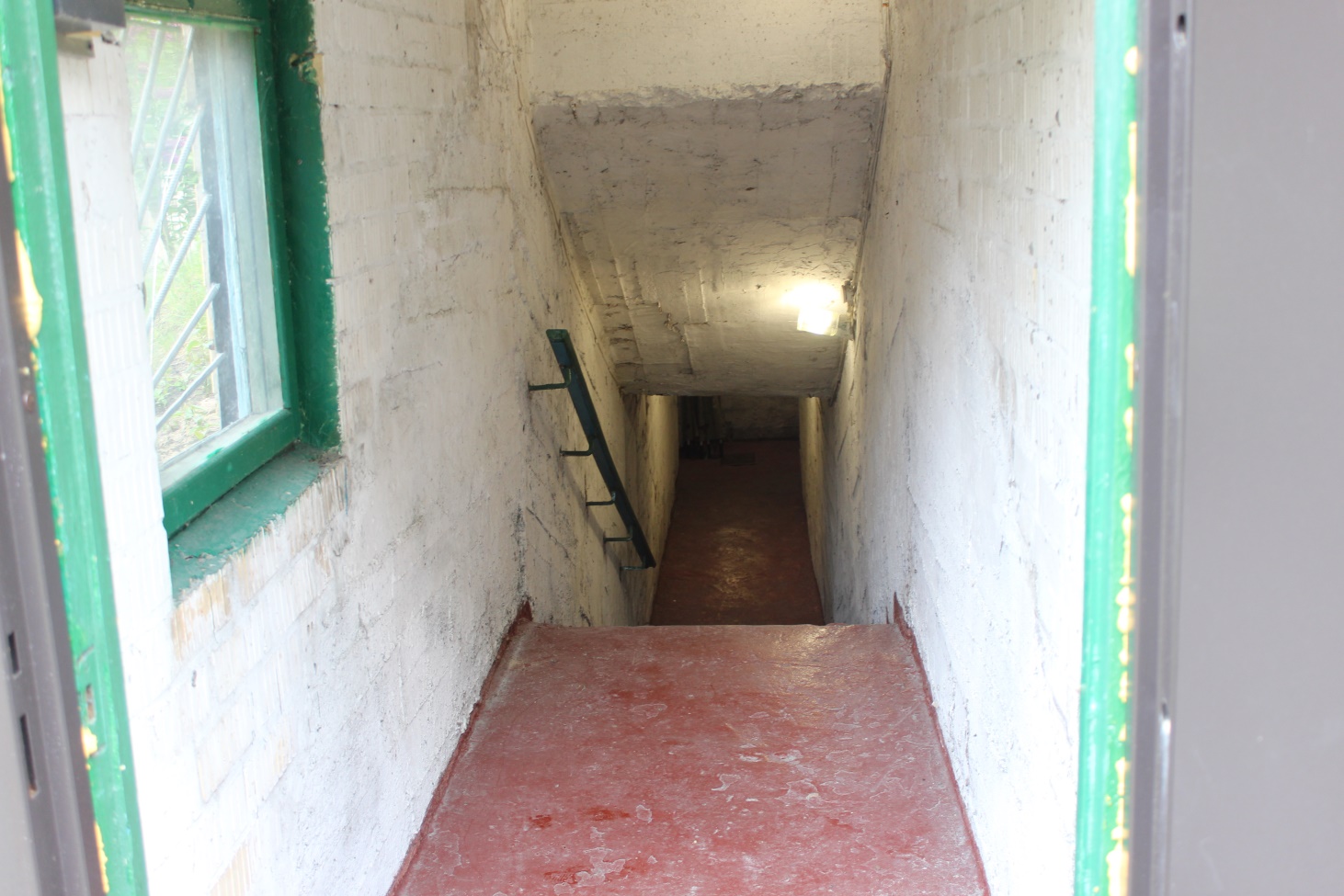
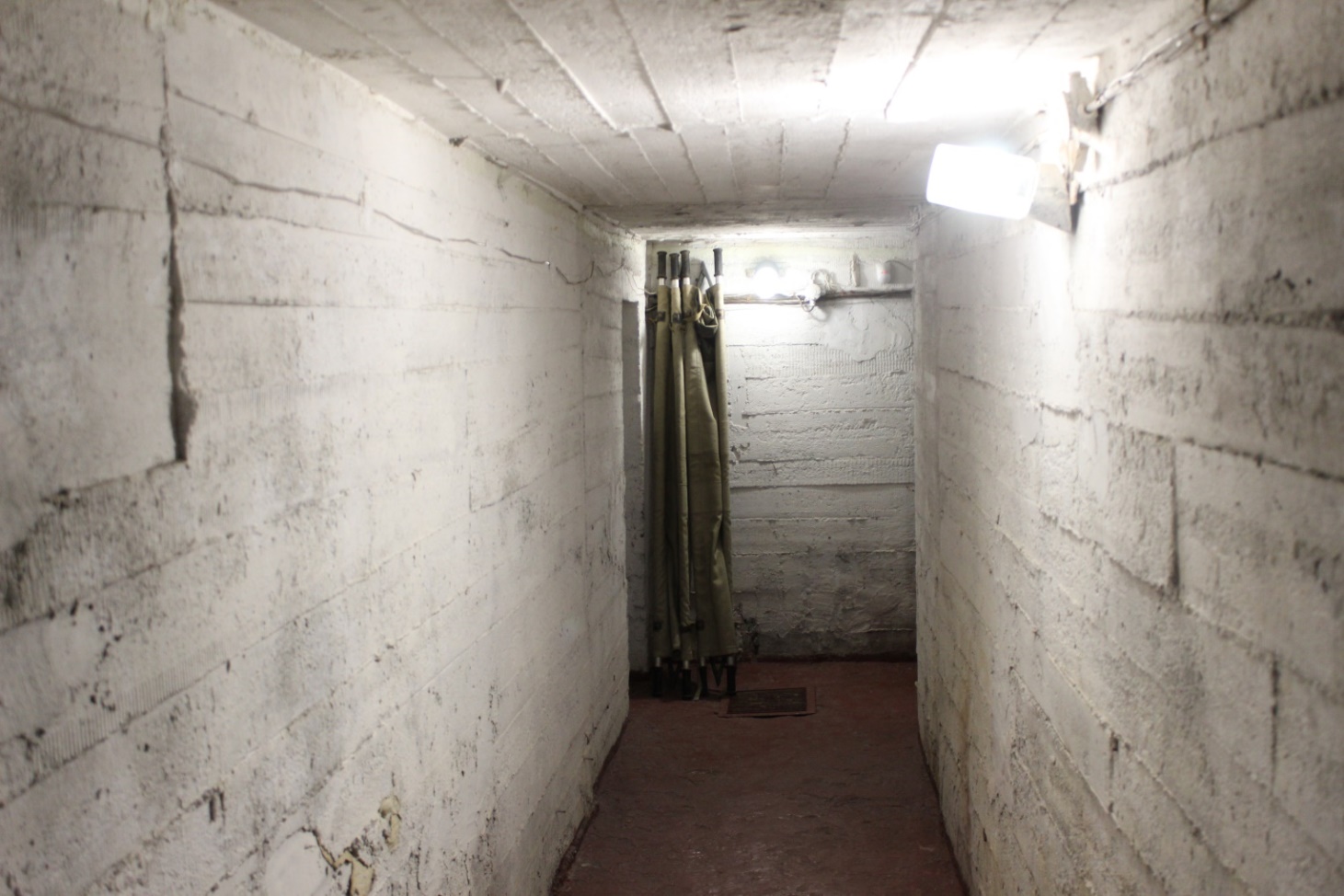
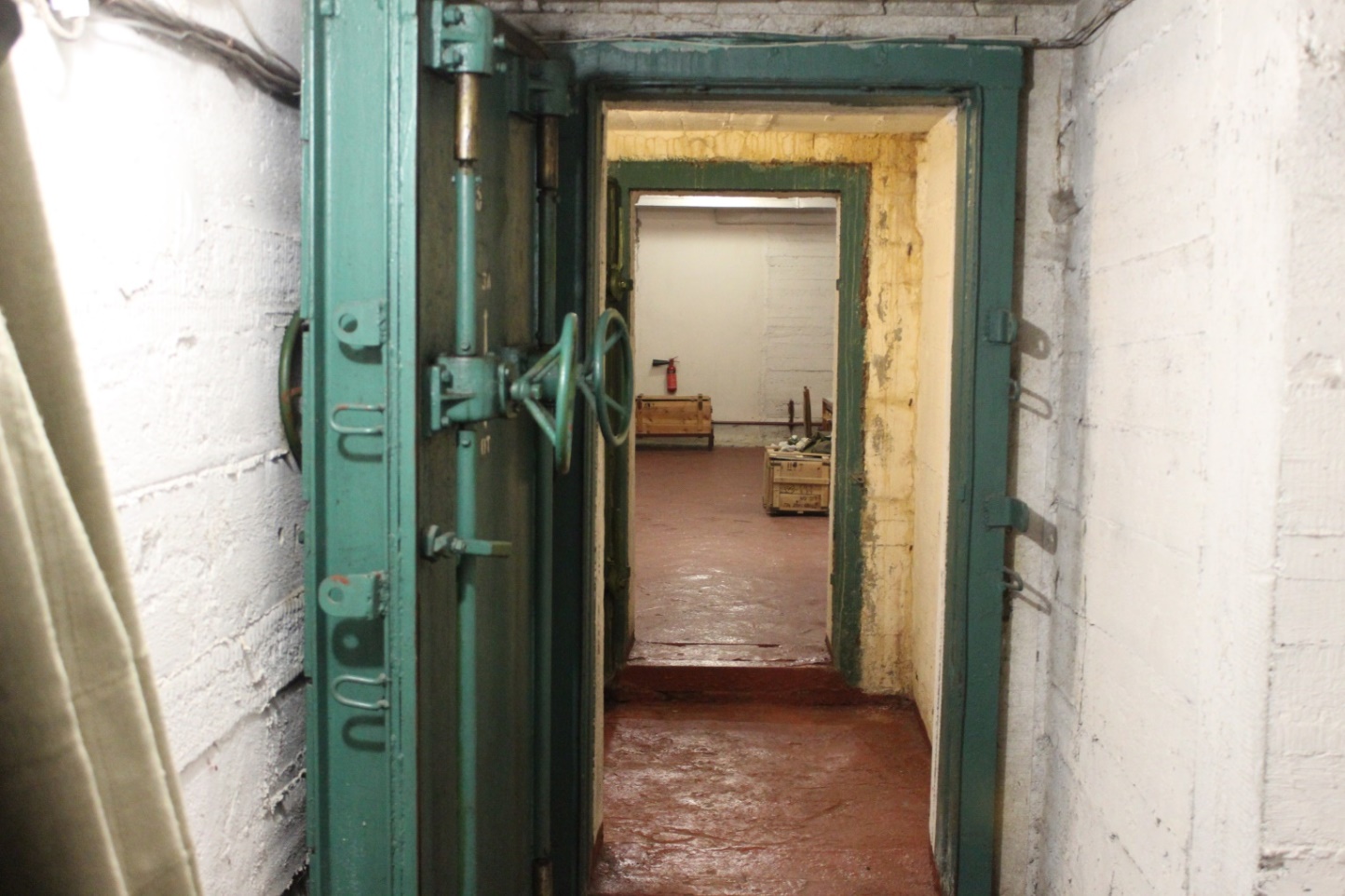
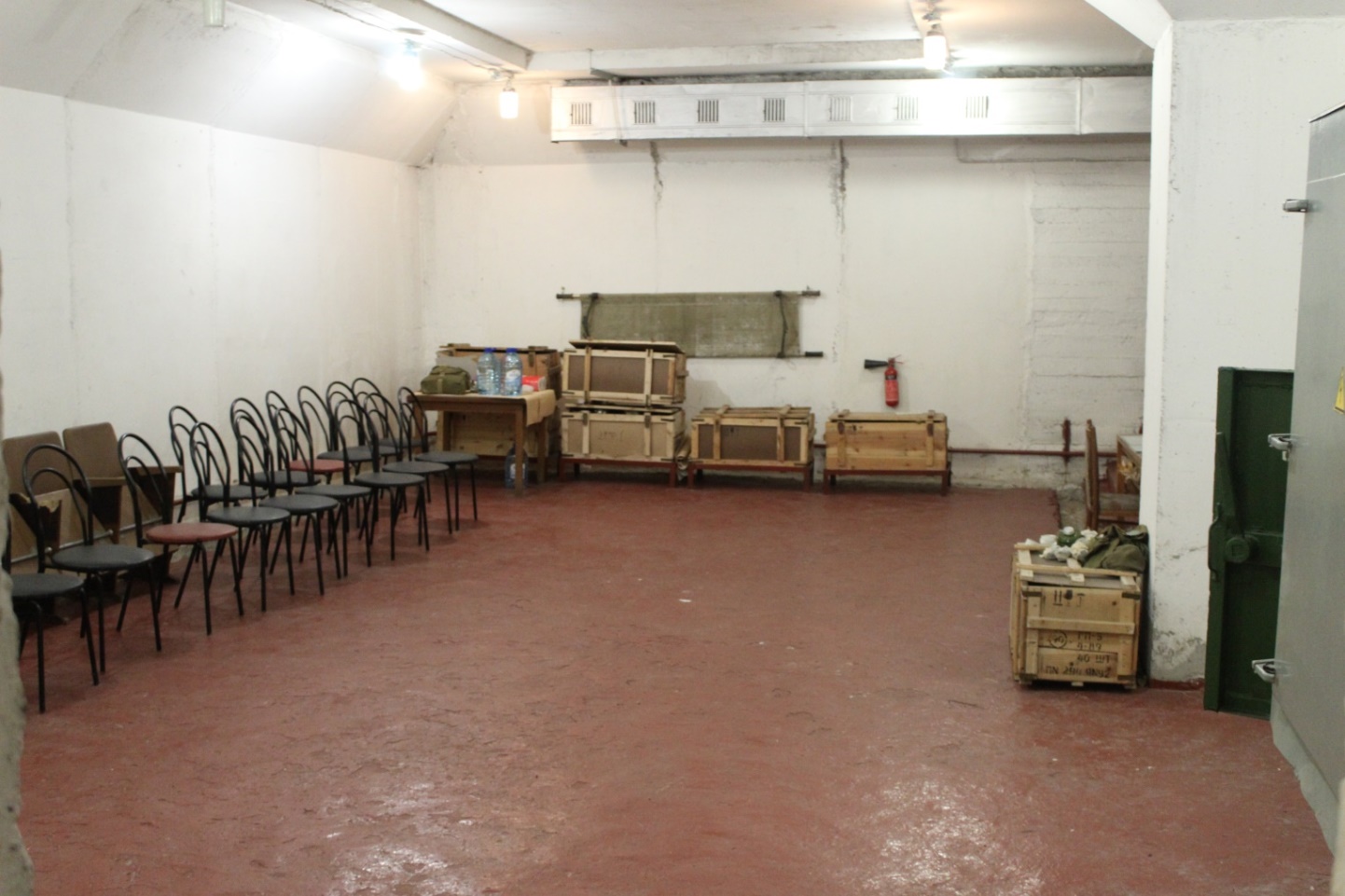

In the event of an alarm signal, when students are on the Institute’s premises during a class, break, or engaged in experimental work, they must immediately, without panic, proceed to the civil defense shelter located in the Institute’s inner courtyard. Using the elevator during an alarm signal is prohibited.
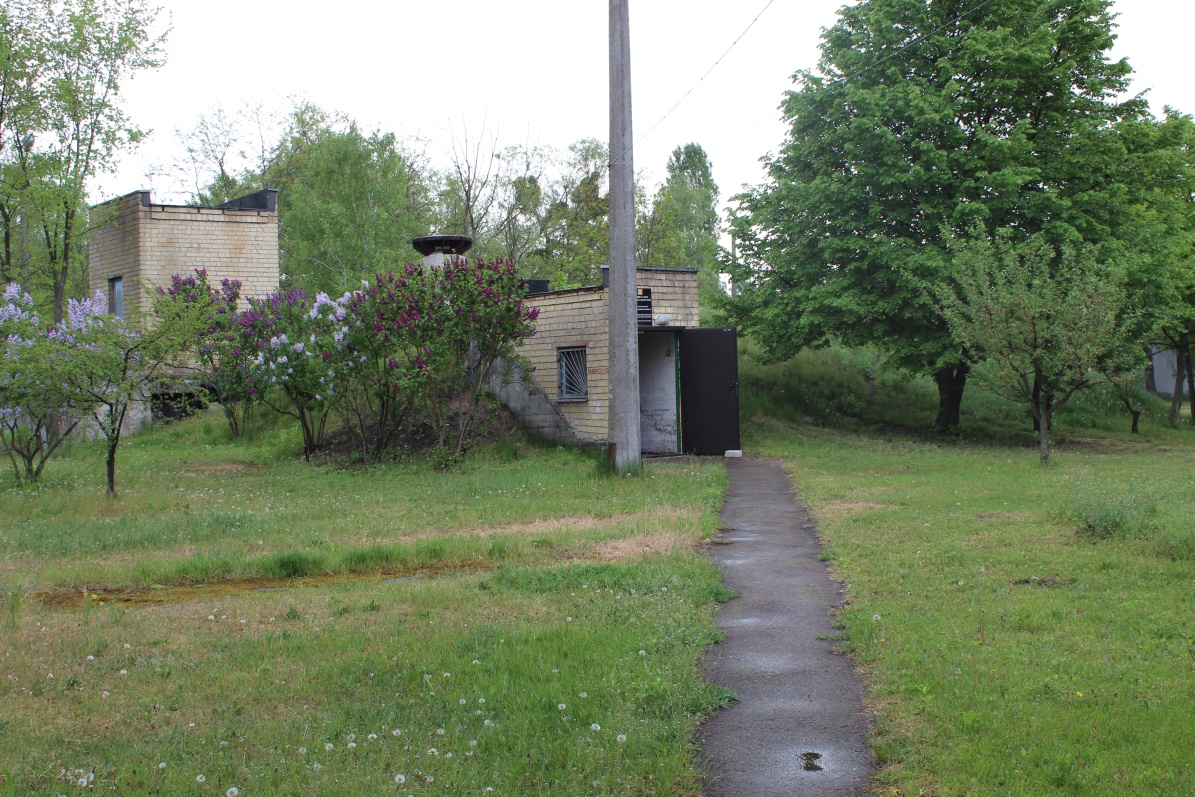
If the main exits cannot be used, evacuation takes place through emergency exits.
Take care of yourself and your loved ones. Your safety comes above all.
It will also be useful for students to review the “Rules of Conduct in Emergency Situations of a Wartime Nature,” developed by the State Emergency Service of Ukraine together with the Ministry of Digital Transformation, Diia. https://www.youtube.com/playlist?list=PLjmztaYnCScIFmttQ-Kkwm0u1MypxijsD
Information on the inclusion of the research results of the developers of the “Bioorganic Chemistry, Petrochemistry and Coal Chemistry” educational program into the curricula of academic disciplines.
Higher education level: Doctor of Philosophy. Specialty E3 Chemistry.
| No. | Academic Discipline | Lecturer | Research Subject | List of Publications Whose Results Are Included in the Educational Program |
| 1 | Fundamentals of Bioorganic Chemistry | Dr. Sc. (Chem.), Senior Researcher Stepan Hryhorovych Pilyo | The concept of physiologically active substances (PAS). Receptor and metabolic mechanisms of PAS action on cell function | 1. Velihina Y., Scattolin T., Bondar D., Pil’o S., Obernikhina N., Kachkovskyi O., Semenyuta I., Caligiuri I., Rizzolio F., Brovarets V., Karpichev Y., Nolan S.P. Synthesis, in silico and in vitro evaluation of novel oxazolopyrimidines as promising anticancer agents. Helv. Chim. Acta. 2020. Vol. 103, N 2. e2000169. https://doi.org/10.1002/hlca.202000169 [Q2] 2. Semenyuta I., Kovalishyn V., Tanchuk V., Pilyo S., Zyabrev V., Blagodatnyy V., Trokhimenko O., Brovarets V., Metelytsia L. 1,3-Oxazole derivatives as potential anticancer agents: Computer modeling and experimental study. Comput Biol Chem. 2016. Vol. 65. P. 8-15. https://doi.org/10.1016/j.compbiolchem.2016.09.012 [Q3] |
| 2 | Fundamentals of Bioorganic Chemistry | Dr. Sc. (Chem.), Senior Researcher Stepan Hryhorovych Pilyo | Alkaloids: general definition, significance as active substances of medicinal drugs (classes of pyridine and piperidine, quinoline and isoquinoline, tropane, indole) | 3. Severin O., Obernikhina N., Pilyo S., Kachaeva M., Kachkovsky O., Kozachenko O., Brovarets V., Bodachivskyi I. A Comparative In Vitro Anticancer Evaluation and In Silico Study of New 1-(1,3-Oxazol-5-yl)piperidine-4-sulfonylamides. ChemistrySelect. 2024. Vol. 9. e202403531. https://doi.org/10.1002/slct.202403531 [Q3] |
| 3 | Fundamentals of Bioorganic Chemistry | Dr. Sc. (Chem.), Senior Researcher Stepan Hryhorovych Pilyo | Pesticides: general definition; organophosphorus and organochlorine pesticides – use in medicine, agriculture, toxicological significance | 4. Циганкова В.А., Андрусевич Я.В., Штомпель О.І., Копіч В.М., Пільо С.Г., Прокопенко В.М., Головченко О.В., Корнієнко А.М., Броварець В.С. 7-Циклоамінозаміщені оксазоло[4,5-d]піримідини як регулятори росту рослин / патент України № 119425. Заявл. 30.10.2017, опубл. 10.06.2019, Бюл. № 11 |
| 4 | General Issues of Petrochemistry and Coal Chemistry | Dr. Sc. (Chem.), Prof. Liubov Kazymyrivna Patrylyak | Zeolites as adsorbents and the basis of modern catalysts. Structure, ability to be modified | 1. Patrylak L.K., Yakovenko A.V., Nizhnik B.O., Pertko O.P., Povazhnyi V.A., Kamenskyh D.S., Melnychuk O.V. Natural Zeolites Modified with Silver Nanoparticles as Promising Sorbents with Antibacterial Properties. In: Fesenko, O., Yatsenko, L. (eds) Nanoelectronics, Nanooptics, Nanochemistry and Nanobiotechnology, and Their Applications. NANO 2022. Springer Proceedings in Physics. 2023. Vol. 297. P. 87–98. Springer, Cham. https://doi.org/10.1007/978-3-031-42708-4_5 |
| 5 | General Issues of Petrochemistry and Coal Chemistry | Dr. Sc. (Chem.), Prof. Liubov Kazymyrivna Patrylyak | Methods of forming microspherical zeolite catalysts. Operating conditions of modern zeolite cracking catalysts, composition of cracking products | 2. Пертко О.П., Волошина Ю.Г., Патриляк Л.К. Спосіб одержання цеолітного каталізатора алкілування толуолу метанолом в бічний ланцюг. Пат. України на корисну модель № 140722. Заявл. 17.07.2019, опубл. 10.03.2020, Бюл. № 5 |
| 6 | Physicochemical Methods for Studying Molecular Structure | Dr. Sc. (Chem.), Senior Researcher Ihor Ivanovych Herus | Methods for studying the structure of organic molecules | 1. Vdovenko S.I., Gerus I.I., Zhuk Y.I., Kukhar V.P., Pagacz-Kostrzewa M., Wierzejewska M., Daniliuc C.G. The conformational analysis of push-pull enaminones using FTIR and NMR spectroscopy, and quantum chemical calculations. VI. β−N− Methyl-aminovinyl trifluoromethyl ketone and α−methyl−β−N− methylaminovinyl trifluoromethyl ketone. Journal of Molecular Structure. 2017. Vol. 1128. P. 741–753. https://doi.org/10.1016/j.molstruc.2016.09.049 [Q3] 2. Vdovenko S.I., Gerus I.I., Zhuk Y.I., Kukhar V.P., Röschenthaler G.-V. The conformational analysis of push–pull enaminones using Fourier transform IR and NMR spectroscopy, and quantum chemical calculations. V. α-Methyl-, fluorine-β-N,N-dimethylaminovinyl trifluoromethyl ketones. Spectrochimica Acta Part A: Molecular and Biomolecular Spectroscopy. 2014. Vol. 131. P. 94–101. https://doi.org/10.1016/j.saa.2014.04.053 [Q2] |
| 7 | Molecular Mechanisms in Bioorganic Chemistry | Corresponding Member of the NAS of Ukraine, Dr. Sc. (Chem.), Prof. Andrii Ivanovych Vovk | Kinetics of enzymatic catalysis | 1. Kobzar O., Ocheretniuk A., Buldenko V., Babiy L., Kozachenko O., Brovarets V., Vovk A. O-Substituted N(3)-benzyl analogs of vitamin B1 as inhibitors of acetylcholinesterase or butyrylcholinesterase. Chem. Lett. 2020. Vol. 9(1). P. 51–62. http://doi.org/10.5267/j.ccl.2019.7.002 [Q2] |
| 8 | Molecular Mechanisms in Bioorganic Chemistry | Corresponding Member of the NAS of Ukraine, Dr. Sc. (Chem.), Prof. Andrii Ivanovych Vovk | Inhibition of enzymatic reactions | 2. Kobzar O., Shulha Y., Buldenko V., Cherenok S., Silenko O., Kalchenko V., Vovk A. Inhibition of glutathione S-transferases by photoactive calix[4]arene α-ketophosphonic acids. Bioorganic & Medicinal Chemistry Letters. 2022. Vol. 77. P. 129019. https://doi.org/10.1016/j.bmcl.2022.129019 [Q2] |
| 9 | Molecular Mechanisms in Bioorganic Chemistry | Corresponding Member of the NAS of Ukraine, Dr. Sc. (Chem.), Prof. Andrii Ivanovych Vovk | Therapeutic targets and bioactive compounds | 3. Kovalishyn V., Severin O., Kachaeva M., Kobzar O., Keith K.A., Harden E.A., Hartline C.B., James S.H., Vovk A., Brovarets V. In Silico Design and Experimental Validation of Novel Oxazole Derivatives Against Varicella zoster virus. Mol Biotechnol. 2024. Vol. 66(4). P. 707–717. doi: 10.1007/s12033-023-00670-w [Q2] 4. Buldenko V.M., Trush V.V., Kobzar O.L., Drapailo A.B., Kalchenko V.I., Vovk A.I. Calixarene-based phosphinic acids as inhibitors of protein tyrosine phosphatases. Bioorganic & Medicinal Chemistry Letters. 2019. Vol. 29, Issue 6. P. 797–801. https://doi.org/10.1016/j.bmcl.2019.01.026 [Q1] |
| 10 | Molecular Mechanisms in Bioorganic Chemistry | Corresponding Member of the NAS of Ukraine, Dr. Sc. (Chem.), Prof. Andrii Ivanovych Vovk | Heterocyclic and organoelement compounds with antitumor activity | 5. Los O.V., Sinenko V.O., Kobzar O.L., Zhirnov V.V., Vovk A.I., Brovarets V.S. Synthesis and in vitro anticancer potential of new thiazole-containing derivatives of rhodanine. Chem Heterocycl Comp. 2023. Vol. 59(6-7). P. 484–493. https://doi.org/10.1007/s10593-023-03220-z [Q4] |
| 11 | Molecular Mechanisms in Bioorganic Chemistry | Corresponding Member of the NAS of Ukraine, Dr. Sc. (Chem.), Prof. Andrii Ivanovych Vovk | Principles of the search for and design of potentially bioactive compounds | 6. Tanchuk V.Yu., Tanin V.O., Vovk A., Poda G. A New, Improved Hybrid Scoring Function for Molecular Docking and Scoring Based on AutoDock and AutoDock Vina. Chem. Biol. Drug Des. 2016. Vol. 87. P. 618–625. https://doi.org/10.1111/cbdd.12697 [Q3] |
| 12 | Modern Methods of Organic Synthesis of Bioactive Compounds | Dr. Sc. (Chem.), Senior Researcher Oleksandr Volodymyrovych Holovchenko | Five-membered heterocycles with one or more heteroatoms | 1. Brusnakov M.Y., Golovchenko O.V., Potikha L.M., Brovarets V.S. 1,3-Oxazoles As Precursors of Phosphorylated Amino Acids and Peptidomimetics. Ukrainica Bioorganica Acta. 2022. Vol. 17 (1). P. 72–80. https://doi.org/10.15407/bioorganica2022.01.072 (категорія Б) 2. Semenyuta I., Golovchenko O., Bahrieieva O., Vydzhak R., Zhirnov V., Brovarets V. Synthesis, Characterization, In Vitro Anticancer Evaluation, ADMET Properties, and Molecular Docking of Novel 5‐Sulfanyl Substituted (Thiazol‐4‐yl)‐Phosphonium Salts. ChemMedChem. 2024. Vol. 19. e202400205. https://doi.org/10.1002/cmdc.202400205 [Q2] |
| 13 | Modern Methods of Organic Synthesis of Bioactive Compounds | Dr. Sc. (Chem.), Senior Researcher Oleksandr Volodymyrovych Holovchenko | Fused heterocyclic compounds | 3. Brusnakov M.Y., Golovchenko O.V., Potikha L.M., Brovarets V.S. Condensed azole-based organophosphorus heterocycles. Chemistry of Heterocyclic Compounds. 2023. Vol. 59(4). P. 217–236. https://doi.org/10.1007/s10593-023-03184-0 [Q4] 4. Malets Y.S., Vashchenko B.V., Moskvina V.S., Golovchenko O.V., Brovarets V.S., Grygorenko O.O. Parent 5(7)-azachromones and their partially hydrogenated derivatives: synthesis and physicochemical properties. Chem Heterocycl Comp. 2023. Vol. 59. P. 494–499. https://doi.org/10.1007/s10593-023-03221-y [Q4] |
| 14 | Modern Methods of Organic Synthesis of Bioactive Compounds | Dr. Sc. (Chem.), Senior Researcher Ihor Ivanovych Herus | Fluorine-containing amines, alcohols, amino and hydroxy acids | 1. Trofymchuk S., Bugera M.Y., Klipkov A.A., Razhyk B., Semenov S., Tarasenko K., Starova V.S., Zaporozhets O.A., Tananaiko O.Yu., Alekseenko A.N., Pustovit Y., Kiriakov O., Gerus I.I., Tolmachev A.A., Mykhailiuk P.K. Deoxofluorination of (Hetero) aromatic Acids. Journal of Organic Chemistry. 2020. Vol. 85(5). P. 3110–3124. https://doi.org/10.1021/acs.joc.9b03011 [Q1] |
| 15 | Modern Methods of Organic Synthesis of Bioactive Compounds | Dr. Sc. (Chem.), Senior Researcher Ihor Ivanovych Herus | Fluoro- and polyfluoroalkyl-containing heterocyclic compounds | 2. Homon A.A., Hryshchuk O.V., Mykhailenko O.V., Vashchenko B.V., Melnykov K.P., Michurin O.M., Daniliuc C.G., Gerus I.I., Kovtunenko V.O., Kondratov I.S., Grygorenko O.O. 4‐(Di‐/Trifluoromethyl)‐2‐heterabicyclo[2.1.1]hexanes: Advanced Fluorinated Phenyl Isosteres and Proline analogues. European Journal of Organic Chemistry. 2021. Vol. 2021(47). P. 6580–6590. https://doi.org/10.1002/ejoc.202100414 [Q2] 3. Bugera M.Y., Tarasenko K.V., Kondratov I.S., Gerus I.I., Vashchenko B.V., Ivasyshyn V.E., Grygorenko O.O. (Het) aryl Difluoromethyl‐Substituted β‐Alkoxyenones: Synthesis and Heterocyclizations. European Journal of Organic Chemistry. 2020. Vol. 2020(9). P. 1069–1077. https://doi.org/10.1002/ejoc.201901833 [Q2] 4. Homon A.A., Shynder L.V., Demchuk O.P., Hryshchuk O.V., Kondratov I.S., Gerus I.I., Grygorenko O.O. Synthesis of 1,3-bifunctional cyclobutane derivatives with α-CHF2/CF3 group-advanced building blocks for medicinal chemistry. Journal of Fluorine Chemistry. 2022. Vol. 263. P. 110041. https://doi.org/10.1016/j.jfluchem.2022.110041 [Q3] |
| 16 | Bioactive Organoelement Compounds | Dr. Sc. (Chem.), Senior Researcher Anastasiia Olehivna Kolodiazhna | Methods of modern synthesis of biologically active compounds | 1. Kolodiazhna A.O., Kolodiazhnyi O.I. Asymmetric Electrophilic Reactions in Phosphorus Chemistry. Symmetry. 2020. Vol. 12. P. 108. https://doi.org/10.3390/sym12010108 [Q2] 2. Kolodiazhna A., Prysiazhnuk D., Kolodiazhnyi O. Enzymatic resolution of heterocyclic intermediates for biologically active compound preparation. Phosphorus, Sulfur, and Silicon and the Related Elements. 2024. Vol. 199 (10–12). P. 843–855. https://doi.org/10.1080/10426507.2024.2367033 [Q4] |
| 17 | Bioactive Organoelement Compounds | Dr. Sc. (Chem.), Senior Researcher Anastasiia Olehivna Kolodiazhna | Asymmetric synthesis of biologically active and natural compounds | 3. Kolodiazhnyi O.I., Kukhar V.P., Kolodiazhna A.O. Asymmetric catalysis as a method for the synthesis of chiral organophosphorus compounds. Tetrahedron: Asymmetry. 2014. Vol. 25 (12). P. 865–922. https://doi.org/10.1016/j.tetasy.2014.05.010 [Q2] |
| 18 | Bioactive Organoelement Compounds | Dr. Sc. (Chem.), Senior Researcher Anastasiia Olehivna Kolodiazhna | Amino acids, peptides, proteins and their organoelement analogues: hydroxyphosphonates, aminophosphonic acids | 4. Kolodiazhna A.O., Kolodiazhnyi O.I. Catalytic Asymmetric Synthesis of C-Chiral Phosphonates. Symmetry. 2022. Vol. 14 (9). P. 1758. https://doi.org/10.3390/sym14091758 [Q2] |
| 19 | Bioactive Organoelement Compounds | Dr. Sc. (Chem.), Senior Researcher Anastasiia Olehivna Kolodiazhna | Organoelement physiologically active compounds, bioregulators, chemotherapeutic agents | 5. Kolodiazhna A.O., Kolodiazhnyi O.I. Chiral Organophosphorus Pharmaceuticals: Properties and Application. Symmetry (Basel). 2023. Vol. 15 (8). P. 1550. https://doi.org/10.3390/sym15081550 [Q2] |
| 20 | Fundamentals of the Chemistry of Natural Compounds | Dr. Sc. (Chem.), Prof. Mykhailo Serhiiovych Frasyniuk | Aromatic natural compounds | 1. Myshko A.S., Mrug G.P., Bondarenko S.P., Kondratyuk K.M., Kobzar O.L., Buldenko V.M., Kozytskiy A.V., Vovk A.I., Frasinyuk M.S. Trapping of thermally generated ortho-and para-quinone methides by imidazoles and pyrazoles: a simple route to green synthesis of benzopyrone-azole hybrids and their evaluation as α-glucosidase inhibitors. RSC advances. 2024. Vol. 14 (38). P. 27809–27815. https://doi.org/10.1039/D4RA05230G [Q2] |
| 21 | Fundamentals of the Chemistry of Natural Compounds | Dr. Sc. (Chem.), Prof. Mykhailo Serhiiovych Frasyniuk | Heteroaromatic natural compounds | 2. Bondarenko S.P., Frasinyuk M.S. Chromone Alkaloids: Structural Features, Distribution in Nature, and Biological Activity. Chem Nat Compd. 2019. Vol. 55. P. 201–234. https://doi.org/10.1007/s10600-019-02656-0 [Q3] 3. Popova A.V., Bondarenko S.P., Frasinyuk M.S. Aurones: Synthesis and Properties. Chem Heterocycl Comp. 2019. Vol. 55. P. 285–299. https://doi.org/10.1007/s10593-019-02457-x [Q3] 4. Kobzar O.L., Tatarchuk A.V., Mrug G.P., Bondarenko S.P., Demydchuk B.A., Frasinyuk M.S., Vovk A.I. Carboxylated chalcones and related flavonoids as inhibitors of xanthine oxidase. Med Chem Res. 2023. Vol. 32. P. 1804–1815. https://doi.org/10.1007/s00044-023-03109-8 [Q3] |
| 22 | Catalytic Processes of Petroleum Refining | Dr. Sc. (Chem.), Prof. Liubov Kazymyrivna Patrylyak | Main types of catalysts for oil refining processes. Natural and synthetic zeolites. Methods of catalyst preparation | 1. Voloshyna Y.G., Pertko O.P., Povazhnyi V.A., Patrylak L.K., Yakovenko A.V. Influence of the development of a system of nanoscale pores in a mordenite-containing rock on its selectivity for di-branched products of n-hexane hydroisomerization. Appl. Nanoscience. 2023. Vol. 13. P. 4863–4872. https://doi.org/10.1007/s13204-022-02632-1 [Q2] |
| 23 | Catalytic Processes of Petroleum Refining | Dr. Sc. (Chem.), Prof. Liubov Kazymyrivna Patrylyak | Principal technological schemes of catalytic oil refining processes using acid catalysts. Hydrocarbon cracking, alkylation of isobutane with butenes, alkylation of benzene with olefins | 2. Patrylak L.K., Pertko O.P., Yakovenko A.V., Povazhnyi V.A., Kurmach M.M. Isomerization of linear hexane over acid-modified nanosized nickel-containing natural Ukrainian zeolites. Appl. Nanoscience. 2022. Vol. 12(3).P.411–425. https://doi.org/10.1007/s13204-021-01682-1 [Q2] |
| 24 | Catalytic Processes of Petroleum Refining | Dr. Sc. (Chem.), Prof. Liubov Kazymyrivna Patrylyak | Catalytic processes in the presence of hydrogen: hydrocracking, hydrotreating | 3. Voloshyna Yu., Pertko O., Yakovenko A., Povazhnyi V., Patrylak L. Metal-containing zeolite composites with separated phases as catalysts for hydroisomerization of linear hexane. J. Porous Mater. 2024. Vol. 31, Issue 3. P.1029–1041. https://doi.org/10.1007/s10934-024-01584-x [Q2] |
| 25 | Alternative Raw Materials for Organic and Petrochemical Synthesis | Ph.D. (Chem.), Senior Researcher Vitalii Oleksandrovych Yevdokymenko | Destructive hydrogenation of fuels and synthesis of hydrocarbons from hydrogen and carbon monoxide | 1. Baran M.M., Kamenskyh D.S., Tkachenko T.V., Burdeinyi V.G., Filonenko M.M., Povazhny V.A., Yevdokymenko V.O. Effect of the low-frequency sound vibrations on the structural and morphological properties of the industrial catalysts for the carbon oxides’ hydrogenation. In: Fesenko, O., Yatsenko, L. (eds) Nanomaterials and Nano-composites, and Nanostructure, and Their Applications. NANO 2023. Springer Proceedings in Physics, 2024. p. Springer, Cham. Chapter 3. P. 27–39. https://doi.org/10.1007/978-3-031-67519-5_3 |
| 26 | Alternative Raw Materials for Organic and Petrochemical Synthesis | Ph.D. (Chem.), Senior Researcher Vitalii Oleksandrovych Yevdokymenko | Bio-based raw materials as an alternative feedstock source | 2. Tigunova O.O., Kamenskyh D.S., Tkachenko T.V., Yevdokymenko V.A., Kashkovskiy V.I., Rakhmetov D.B., Blume Ya.B., Shulga S.M. Biobutanol Production from Plant Biomass. Open Agriculture Journal. 2020. Vol. 14. P. 187–197. https://doi.org/10.2174/1874331502014010187 [Q4] |
| 27 | Monomers and Polymers in Organic and Petrochemical Synthesis | Dr. Sc. (Chem.), Prof. Oleksandr Arkadiiovych Pud | Specific physical properties of polymer products, including conjugated polymers, from organic and petrochemical synthesis, and their structure | 1. Vretik L.O., Noskov Y.V., Ogurtsov N.A., Nikolaeva O.A., Shevchenko A.V., Marynin A.I., Kharchuk M.S., Chepurna O.M., Ohulchanskyy T.Y., Pud A.A. Thermosensitive ternary core–shell nanocomposites of polystyrene, poly (N-isopropylacrylamide) and polyaniline. Applied Nanoscience. 2020. Vol. 10 (12). P. 4951–4964. https://doi.org/10.1007/s13204-020-01424-9 [Q2] 2. Ogurtsov N.A., Noskov Y.V., Kruglyak O.S., Pud A.A., Bohvan S.I., Klepko V.V., Petrichuk M.V. Effect of the Dopant Anion and Oxidant on the Structure and Properties of Nanocomposites of Polypyrrole and Carbon Nanotubes. Theoretical and Experimental Chemistry. 2018. Vol. 54 (2). P. 114–121. https://doi.org/10.1007/s11237-018-9554-x [Q4] |
| 28 | Chemistry of Alkaloids | Ph.D. (Chem.), Senior Researcher Olha Valentynivna Shablykina | Isoquinoline alkaloids | 1. Shablykin O.V., Chumachenko S.A., Konovalenko A.S., Shablykina O.V., Shishkina S.V., Kozytskyi A.V., Brovarets V.S. Interactions of 3-Acylisocoumarins with Ethane-1,2-diamines: A Simple Route to 3,4-Dihydro-6H-pyrazino[1,2-b]isoquinolin-6-ones and Their Hydrogenated Derivatives. ChemistrySelect. 2024ю Vol. 9. e202403740. https://doi.org/10.1002/slct.202403740 2. Shilin S.V., Shablykina O.V., IshchenkoV.V., Zabolotnaya Yu.N., Khilya V.P. 3-Aryl-3,4-Dihydroisocoumarins with Amino-Acid Fragments. Chem Nat Compd. 2016. Vol. 52. P. 595–601. https://doi.org/10.1007/s10600-016-1720-6 [Q3] |
| 29 | Methods for Studying Bioactivity In Silico and In Vitro | Dr. Sc. (Biol.), Prof. Larysa Oleksiivna Metelytsia | In vivo research methods | 1. Hodyna D., Kovalishyn V., Kachaeva M., Shulha Y., Klipkov A., Shaitanova E., Kobzar O., Shablykin O., Metelytsia L. In Silico, in Vitro and in Vivo Study of Substituted Imidazolidinone Sulfonamides as Antibacterial Agents. Chemistry & biodiversity. 2023. Vol. 20 (12), e202301267. https://doi.org/10.1002/cbdv.202301267 [Q2] |
| 30 | Methods for Studying Bioactivity In Silico and In Vitro | Dr. Sc. (Biol.), Prof. Larysa Oleksiivna Metelytsia | In vitro research methods | 2. Trush M.M., Semenyuta I.V., Hodyna D., Ocheretniuk A.D., Vdovenko S.I., Rogalsky S.P., Kalashnikova L.E., Blagodatnyi V., Kobzar O.L., Metelytsia L.O. Functionalized imidazolium-based ionic liquids: biological activity evaluation, toxicity screening, spectroscopic, and molecular docking studies. Medicinal Chemistry Research. 2020. Vol. 29(12). P. 2181–2191. https://doi.org/10.1007/s00044-020-02631-3 [Q2] |
| 31 | Methods for Studying Bioactivity In Silico and In Vitro | Dr. Sc. (Biol.), Prof. Larysa Oleksiivna Metelytsia | Synthetic and natural bioregulators with a specific molecular mechanism of action | 3. Kovalishyn V., Hodyna D., Semenyuta I., Brovarets V., Shablykin O., Chumachenko S., Metelytsia L. In silico modeling and experimental validation of 2-oxoimidazolidin-4-sulfonamides as low-toxicity fungicides against Phytophthora infestans. Advanced Agrochem. 2025. Vol. 4, Issue 2. P. 141–148. https://doi.org/10.1016/j.aac.2024.11.005 [Q1] 4. Hodyna D., Kovalishyn V., Semenyuta I., Metelytsia L., Blagodatnyi V., Rogalsky S. Imidazolium ionic liquids as effective antiseptics and disinfectants against drug resistant S. aureus: In silico and in vitro studies. Computational Biology and Chemistry. 2018. Vol. 73. P. 127–138. https://doi.org/10.1016/j.compbiolchem.2018.01.012 [Q3] |
ECTS – European Credit Transfer System, developed with the support of the European Commission to ensure a unified interstate procedure for assessing learning, a system for measuring and comparing students’ learning outcomes, and their academic recognition. The system can be used within an educational institution, between educational institutions of the same country, as well as between partner institutions from different countries. The ECTS system is based on accounting for the volume of academic work performed by the student; allows for the accumulation of credits and their transferability within the European educational space; requires compliance with the rules for all its components: ECTS credits and ECTS grades; and is designed to promote mobility and the international recognition of periods of study abroad.
Academic Calendar – the calendar dates of the educational process and the study of individual disciplines during the academic year.
European Higher Education Area – the establishment of a unified standardized education system that makes it possible to increase the employability and mobility of citizens of participating countries, to define levels and quality assurance guarantees for educational programs, and to make the pan-European higher education system more attractive to students and lecturers from other countries. This process is known as the Bologna Process.
Credit Unit – a unit of measurement of the academic workload required for mastering content modules or a block of content modules. A credit is a relative unit that measures the time, on average, required for a student to master a content module. A credit takes into account all forms of the student’s academic workload: classroom instruction, independent work, exam preparation, research work, etc.
Qualification – the title or degree awarded by an educational institution, recorded in a diploma certifying the successful completion of an educational and scientific program.
Credit – the amount of educational material that can be mastered in 30 hours of study time (the sum of hours of classroom instruction, independent work of the student, and control measures per week).
ECTS Credit – a unit of measurement of a student’s academic workload. ECTS credits reflect the student’s workload for the relevant course.
Curriculum – the main regulatory document by which the organization of the educational process is carried out. It is compiled on the basis of the educational-professional program and the structural-logical scheme of training, and determines the list and scope of compulsory and elective academic disciplines, the sequence of their study, the distribution of credit units among disciplines, specific forms of conducting classes (lectures, practical classes, seminars, individual classes, consultations, internships) and their scope, the schedule of the educational process, and the forms and means of conducting current and final assessment. The curriculum also reflects the amount of time allocated for independent work. The curriculum is developed for the entire period of implementation of the relevant educational and scientific training program and is approved by the head of the institution.
Study Program – a list of academic disciplines required to provide a student with an education.
Credit Value – the workload of a student in a specific specialty, expressed in academic hours, which records the volume of the student’s academic workload (labor intensity).
Quality of Higher Education – the correspondence of higher education, as a social system, to the socio-economic needs and interests of the individual, society, and the state, reflecting competence, value orientations, and social direction, and determining the ability to satisfy both personal spiritual and material needs and the needs of society.
All educational and scientific programs for the preparation of PhDs at the V.P. Kukhar Institute of Biophysics and Biotechnology of the National Academy of Sciences of Ukraine are open for discussion and comments and suggestions from all stakeholders. Please send all suggestions to popilnichenko(at)bpci.kiev.ua with the subject line PROPOSALS_FOR_OP NAME.
Questionnaire for graduate students
https://docs.google.com/forms/d/e/1FAIpQLSfIM4aQwDmNc7sRbvm708exUZs24Yr–HKkj7rdTWCTx2lcfQ/closedform

The V.P. Kukhar Institute of Bioorganic Chemistry and Petrochemistry of the National Academy of Science of Ukraine is an esteemed scientific center in Ukraine, providing a powerful research infrastructure for the education and training of professionals in the field of biology, medicinal chemistry, and structural biology. Graduates are equipped with the skills and knowledge to conduct original and independent research.
Освітньо-наукова програма з підготовки докторів філософії зі спеціальності «Хімія» передбачає освітню та наукову складові, освоєння яких надає можливість здобувачу одержати теоретичні знання, уміння, навички та інші компетентності, достатні для продукування нових ідей, розв'язання комплексних проблем в галузі хімії, оволодіння методологією наукової та педагогічної діяльності, а також проведення власного наукового дослідження, результати якого мають наукову новизну, теоретичне та практичне значення.
I can for sure positively evaluate PhD educational and scientific program 091 “Biology” in IBCP based on PhD students that had internships in my research facilities in the frame of joint projects. Those opportunities for PhD students helped a lot in achieving valuable results for their PhD research using the University of Technology of Compiègne equipment.
В освітньо-науковій програмі визначені програмні компетентності виходячи із видів і завдань розвитку галузі хімії. Фахові компетентності освітньо-наукової програми
носять практичний характер і можуть бути використані у професійній діяльності майбутніх фахівців.
How to check the current indexing of a publication in Web of Science Core Collection https://mjl.clarivate.com/
Webinar on April 22, 11:00 a.m.–1:00 p.m. “On the quality of scientific publications: Web of Science and Antiplagiat.” Registration –https://bit.ly/3tTiIMb Certificate provided (if you attend more than 90% of the webinar), to be received by April 25.
youtube Clarivate Analytics in Ukrainian https://www.youtube.com/channel/UCSMJ679M7c78lYA5eu41jYg
on Facebook https://www.facebook.com/ukrsj and https://www.facebook.com/Ukr.Sci.Kit
on Telegram Analytics in Ukrainian t.me/Ukr_analytics
The traditional series of webinars in Russian will begin on April 12, 2021. The schedule is available at https://clarivate.com/ru/webinars/
The schedule of webinars in English and EU languages (without certificates) is available at https://clarivate.libguides.com/home
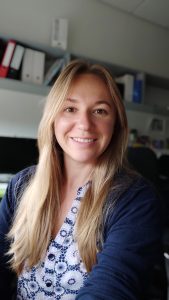
Tetiana Kalachova
Current position: Research Fellow at the Institute of Experimental Botany of the Czech Academy of Sciences (Laboratory of Plant Pathological Physiology)
Education: Institute of Bioorganic Chemistry, National Academy of Sciences of Ukraine (postgraduate studies) and University of Paris-Est, France, Taras Shevchenko National University of Kyiv, Ukraine (master’s degree)
Brief biography: After completing her master’s degree in virology at Kyiv National University, she entered the postgraduate program at the Institute of Bioorganic Chemistry and Petrochemistry of the National Academy of Sciences of Ukraine under dual supervision (dual form Ukraine-France). She studied phospholipid signaling in the context of phytohormonal perception and found that lipid kinases, especially DIACYLGLYCEROL KINASE 5, can act as a signaling center in stress adaptation, especially in the early stages of pathogen recognition and immune response establishment.
Since joining the Laboratory of Plant Pathophysiology in Prague, she has focused on plant defense mechanisms, especially pathways related to the phytohormone salicylic acid. I am particularly interested in the relationship between actin cytoskeleton remodeling, phospholipid signaling, and disease resistance.
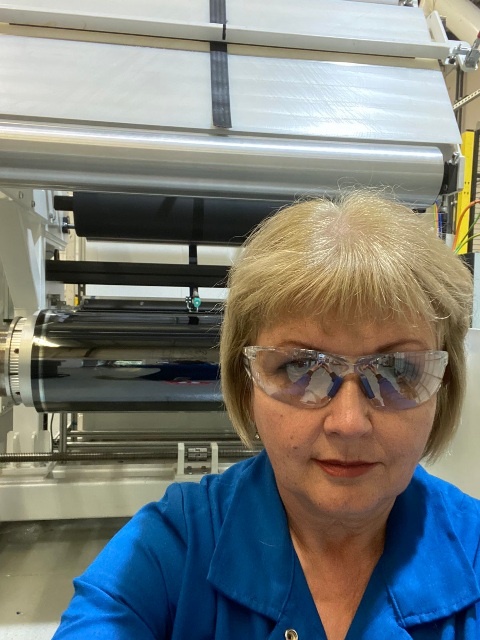
Marina Gorbunova
Graduate of the Chemistry Department of Taras Shevchenko National University of Kyiv (specialization: Organic Chemistry). While still a student, she interned in the Department of Fine Organic Synthesis under the supervision of I.I. Gerus and, after successfully graduating from university, continued to work as a chemical engineer from 1989 to 1992. In 1992, she defended her thesis in bioorganic chemistry for the degree of Candidate of Chemical Sciences on the topic “Synthesis and study of the chemical properties of
β-ethoxypolifluoroalkyl ketones.” The scientific supervisors of the dissertation research were Candidate of Chemical Sciences, Senior Researcher of the Department of Fine Organic Synthesis I.I. Gerus and Academician of the National Academy of Sciences of Ukraine, Doctor of Chemical Sciences, Professor V.P. Kukhar (1942-2017).
After defending her thesis, she did postdoctoral research at Texas Tech University in Lubbock (2001-2002) and at the US Department of Energy’s Oak Ridge National Laboratory in Oak Ridge, Tennessee (2002-2006). Her main areas of research were the synthesis and study of the physicochemical properties of new calixarenes containing tert-butyl and sulfonamide groups for the selective extraction of alkali and alkaline earth metals.
Since 2006, she has been working at the biotechnology company Eastman Chemical Company (Palo Alto, California, USA), where she developed and studied the parameters of polymer materials based on cellulose esters. She currently heads the project division of polymer films (Films Division).
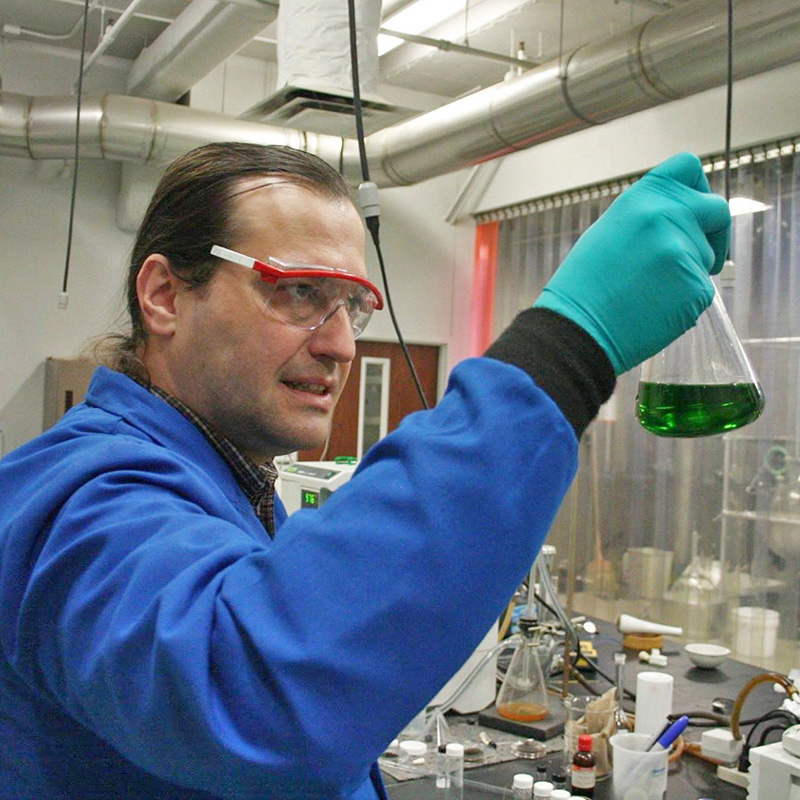
Oleksii Kacharov
Graduate of the Faculty of Chemical Engineering of the National Technical University “Igor Sikorsky Kyiv Polytechnic Institute” (KPI). While still a student, Oleksii Dmytrovych conducted scientific research in the Department of Fine Organic Synthesis under the supervision of V.A. Soloshonko. After graduating from the technical university in 1996, he worked as a researcher and in 1998 defended his thesis on “Asymmetric synthesis of fluorine-substituted serines by catalytic aldol reactions of isocyanic acid derivatives” in the field of organic chemistry. The scientific supervisor of the dissertation research was Doctor of Chemical Sciences, Professor, Academician of the National Academy of Sciences of Ukraine V.P. Kukhar.
After defending his thesis, he worked for some time in the Department of Fine Organic Synthesis under the supervision of I.I. Gerus, then joined the research group of P.O. Krasutsky at the Natural Resources Research Institute at the University of Minnesota (Duluth, Minnesota, USA). His research focused on the synthesis of potentially biologically active triterpenes of the lupane series and the optimization of methods for obtaining important components of birch bark extract, such as betulin, betulinic acid, etc.
Currently, O.D. Kacharov continues his research at NRRI (Duluth) as an independent scientist and project manager. His work includes the following areas: modification and characterization of natural substance extracts, search for new biodegradable polymers and wood protectors, development of new methods for obtaining and using synthesis gas and biochar.
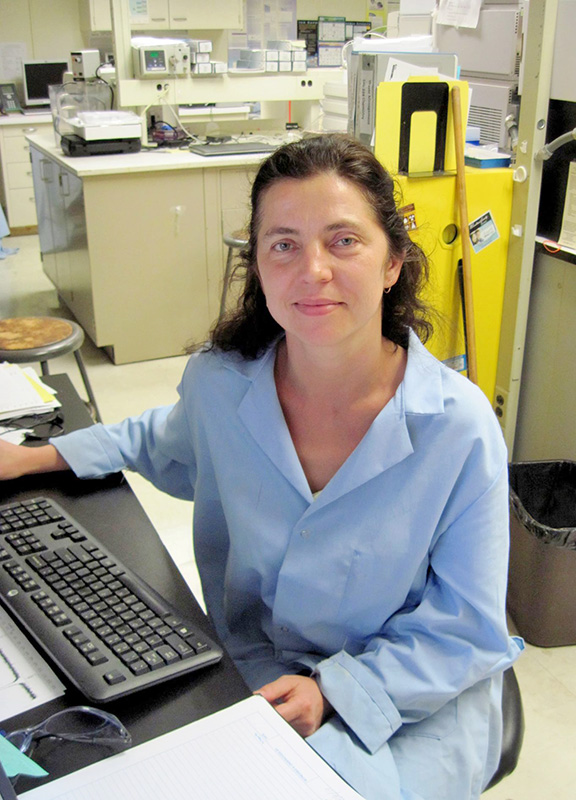
Lilia Kacharova (Kuchivska)
Graduate of the Faculty of Natural Sciences of the V.G. Korolenko Poltava National Pedagogical University (specialization: Chemistry and Biology). She studied in the postgraduate program in Bioorganic Chemistry from 1998 to 2002. In December 2002, she successfully defended her thesis on “α-halogen-substituted
β-alkoxyvinyl(polyfluoroalkyl)ketones in the synthesis of heterocyclic fluorine-containing bioregulators.” The scientific supervisor of the dissertation research was I.I. Gerus, Candidate of Chemical Sciences, Senior Researcher at the Department of Fine Organic Synthesis.
After defending her thesis, she worked as a research fellow at the University of Minnesota (Duluth, Minnesota, USA). Her research focused on the synthesis of potentially biologically active triterpenes of the lupane series, which are found in birch bark extract. A number of important derivatives were obtained – inducers of programmed tumor cell death in in vitro conditions. In 2016, Lilia Mykolaivna worked at Twin Ports Testing in Superior, Wisconsin, USA, where she was engaged in the chemical analysis of alternative and renewable types of biofuel.
Since 2017, she has been working at the Advanced Materials Center at the University of Minnesota, where she develops new polymers that serve as metal substitutes in mechanical engineering, and also teaches organic chemistry at the private College of St. Scholastica in Duluth.

Andriy Kornilov
Graduate of the Chemistry Department of Taras Shevchenko National University of Kyiv (specialization: Chemistry of Natural Compounds). Studied in graduate school specializing in Bioorganic Chemistry from 1984 to 1987. In 1990, he defended his thesis for the degree of Candidate of Chemical Sciences on the topic “Synthesis of eicosanoids and their fluorine-containing analogues.” The scientific supervisor of the dissertation research was Academician of the National Academy of Sciences of Ukraine, Doctor of Chemical Sciences, Professor V.P. Kukhar (1942-2017).
After defending his thesis, he did postdoctoral research at the University of Paris-Sud XI in France (1994-1995) and the State University of New York in Albany, USA (1997-1998). After returning, he worked for some time at the Institute, where he continued to develop fluorine-containing synthons with the aim of obtaining CF3– and CHF2-analogs of biologically active compounds.
Since 2002, Andriy has been working at the biotechnology company Cayman Chemical (Ann Arbor, Michigan, USA), where he has risen from research associate to director of the research and development department. Cayman Chemical specializes in the manufacture of reference standards and the development of highly sensitive analytical systems for the identification of naturally occurring compounds.
Under Andriy’s leadership and with his direct involvement, over 100 natural compounds (mainly lipids) were synthesized, the structure of a new metabolite of arachidonic acid was established, a new drug for the treatment of glaucoma was synthesized, and the use of deuterated standards of natural polyunsaturated fatty acids was initiated.
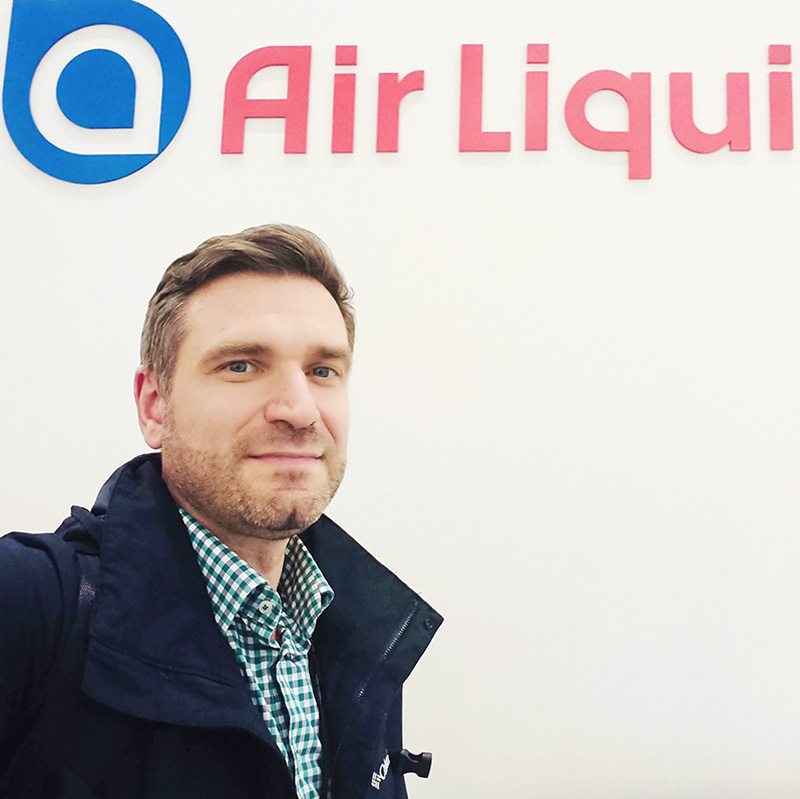
Vitaliy Nesterov
Graduate of the Rubizhne branch of the East Ukrainian National University, Rubizhne (specialization: “Chemical Technology of Organic Substances”). Studied in graduate school specializing in “Bioorganic Chemistry” in 2002-2006. In 2007, he successfully defended his thesis on “Asymmetric Reduction of Ketophosphonates.” His thesis advisor was Corresponding Member of the National Academy of Sciences of Ukraine, Doctor of Chemical Sciences, Professor O.I. Kolodyazhny.
After defending his thesis, he did postdoctoral research at the Institute of Inorganic Chemistry at the University of Bonn (2009-2014 and 2015), Kyoto University (2014), and the Technical University of Munich (2016-2019). His research focused on the study of the properties of phosphorus analogues of carbenes and carbenoids, the synthesis of phosphorus-containing heterocycles, as well as low-valent organoelement compounds of elements of the 14th group (Si, Ge, Sn) and their application in catalysis.
Since 2019, Vitalii has been working in the research and development department (R&D Electronics) of Air Liquide (Tokyo, Japan), where he develops the latest semiconductor materials. Air Liquide has offices in nearly 80 countries and is a world leader in the production of gases, technology development, and services for industry and healthcare.
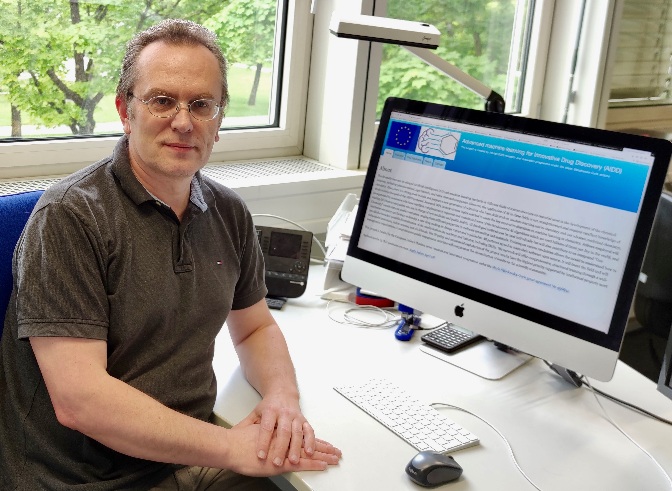
Igor Tetko
Graduate of the Department of Physical and Chemical Biology of the Moscow Institute of Physics and Technology (MIPT). Worked as a researcher in 1989-1994. In 1994, he defended his thesis in bioorganic chemistry for the degree of Candidate of Chemical Sciences on the topic “Application of neural networks for identifying the relationship between structure and biological activity.”
His scientific advisor was the head of the Department of Medical and Biological Research, Doctor of Medical Sciences, Professor O.I. Luik (1947-2000). After defending his thesis, he did postdoctoral research at the University of Lausanne in Switzerland (1996-2001).
Since 2001, he has been working as a senior research fellow at the Institute of Structural Biology at the German Research Center for Environmental Protection “Helmholtz Zentrum München” (Neugerberg, Germany). In 2011, he defended his doctoral thesis (habilitation) on “Associative neural networks: an innovative method for predicting physicochemical, biological, and ADME/Tox properties” in the field of chemoinformatics at the University of Strasbourg (Strasbourg, France).
In 2016, he was one of the most cited scientists in the field of computer science and engineering according to http://shanghairanking.com. Igor Volodymyrovych is a member of the Executive Board of the European Neural Networks Association (ENNS) and coordinator of the Innovative Training Network European Industrial Doctorate “Advanced Machine Learning for Innovative Drug Discovery (AIDD)” the Marie Skłodowska-Curie Fund, which is part of the European Union’s specialized program for research and innovation “Horizon 2020.” He has been invited as a visiting professor at universities in France, Saudi Arabia, and China on numerous occasions.
Igor Volodymyrovych’s main scientific achievements include the development of an online chemical modeling environment (http://ochem.eu), as well as data analysis algorithms for chemoinformatics, machine learning methods, algorithms for predicting the biological activity of molecules, etc.
He is the author of over 200 publications in refereed scientific journals, with a Hirsch index (h-index) of 47 in Scopus.
Comments and suggestions from interested parties